 HSA & FSA accepted; best-value for top quality care
 Same-day mental health, weight loss, and primary care appointments available

 Accept major insurances and cash-payHSA & FSA accepted; best-value for top quality careSame-day mental health, weight loss, and primary care appointments availableAccept major insurances and cash-pay
Why ADHD Treatment Is Important for Children
Written by Klarity Editorial Team
Published: May 31, 2026

Most parents hear “ADHD treatment” and immediately think of a daily pill. That’s the most common misconception, and it shapes a lot of hesitation around getting help. Understanding why ADHD treatment is important for children means looking at something much broader than medication: it’s about protecting your child’s ability to learn, build friendships, manage emotions, and grow into a confident person. Left unaddressed, attention-deficit/hyperactivity disorder (ADHD) creates ripple effects that touch every corner of a child’s life. This guide breaks down what those effects look like, what treatment actually involves, and what the research says about real outcomes.
Table of Contents
- Key takeaways
- Why ADHD treatment is important for children’s development
- Core treatment options for children with ADHD
- Evidence-based benefits of treatment
- Non-medication strategies that support ADHD management
- How to advocate for your child’s ADHD treatment
- My take on what ADHD treatment really means for kids
- Get your child ADHD support through Helloklarity
- FAQ
Key takeaways
| Point | Details |
|---|---|
| ADHD affects more than attention | Untreated symptoms disrupt school performance, friendships, and emotional development. |
| Treatment goes beyond medication | Behavioral therapy, exercise, and structured routines all play a proven role in managing ADHD. |
| Medication requires ongoing review | Annual reassessment with teacher and family feedback is needed to keep treatment working. |
| Early, multimodal care pays off | Children in comprehensive treatment programs show measurable gains in academics, self-esteem, and social skills. |
| Parents are essential partners | Your input and your child’s teacher’s observations are critical data points for any good treatment plan. |
Why ADHD treatment is important for children’s development
ADHD is a neurodevelopmental disorder characterized by persistent patterns of inattention, hyperactivity, and impulsivity that are more frequent and severe than typically observed in children at a similar developmental level. These aren’t character flaws or bad parenting outcomes. They are neurological differences that affect how a child’s brain regulates attention and behavior.
How ADHD affects children day to day is significant. Consider what a school day actually demands of a child: sustained focus for extended periods, impulse control during group activities, social reading of peers, and emotional regulation when frustrated. ADHD makes each of these harder in concrete, measurable ways.
Here’s what that looks like in practice:
- Academic performance: Children with ADHD frequently miss instructions, lose assignments, and struggle to complete multi-step tasks. This isn’t laziness. The executive function deficits underlying ADHD make organization and task initiation genuinely difficult.
- Social interactions: Impulsivity leads to interrupting peers, difficulty waiting turns, and trouble reading social cues. Over time, this erodes friendships and can cause children to be excluded from peer groups.
- Emotional regulation: Many children with ADHD experience intense frustration, low frustration tolerance, and difficulty recovering from setbacks. Emotional outbursts are common, and they confuse both the child and the adults around them.
- Self-esteem: Repeated academic failures and social friction accumulate. By middle school, many children with untreated ADHD have internalized a belief that they are “dumb” or “bad,” even when they are neither.
The impact of untreated ADHD extends into long-term risks as well. Optimal ADHD treatment can reduce risks of substance abuse, depression, and anxiety and may improve overall wellness across a young person’s life. Without intervention, the trajectory trends in the wrong direction.
Core treatment options for children with ADHD
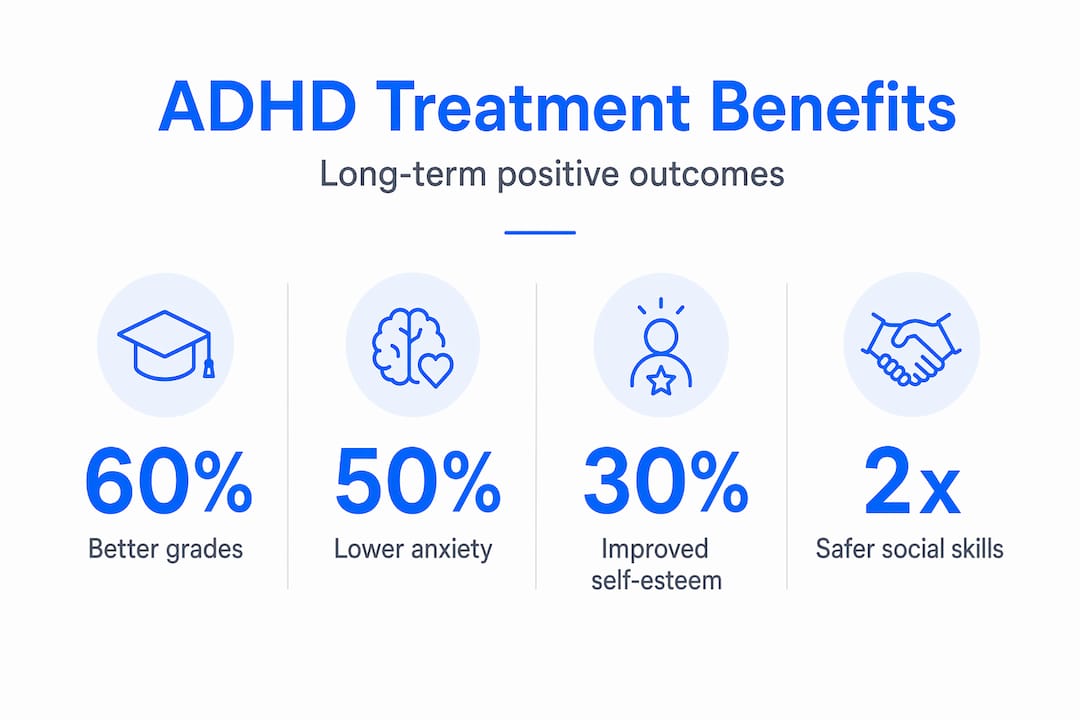
Effective ADHD management is not a single intervention. Most clinical guidelines recommend a multimodal approach, meaning a combination of treatments tailored to the individual child. Here’s how the main options compare.
| Treatment type | How it works | Key benefits | Considerations |
|---|---|---|---|
| Stimulant medication (e.g., methylphenidate) | Increases dopamine and norepinephrine activity in the brain | Fastest symptom relief, high effect size | Possible sleep issues, reduced appetite |
| Non-stimulant medication | Targets norepinephrine without stimulant properties | Useful when stimulants cause side effects | Slower onset, less robust symptom control |
| Behavioral therapy | Teaches self-regulation, social, and organizational skills | Durable skills that persist without medication | Requires consistent practice and therapist involvement |
| Parent and teacher training | Equips adults to reinforce positive behaviors | Extends treatment benefits into home and school | Time commitment from caregivers |
Stimulant medications carry the highest effect size in psychiatry and have demonstrated improvements in quality of life, school success, and self-esteem, as well as reduced risk of accidents. That’s a strong evidence base. At the same time, methylphenidate can cause non-serious side effects like sleep disruption and reduced appetite, so informed, ongoing monitoring matters.
The benefits of ADHD therapy are not just additive. When behavioral intervention is combined with medication, the result is better than either approach alone. Therapy teaches skills that medication cannot: how to organize a backpack, how to pause before reacting, how to ask for help. These are learned strategies that children carry forward even when medication is eventually reduced or stopped.
Pro Tip: When your child starts any ADHD treatment, keep a simple log of sleep quality, appetite changes, mood, and school reports. That data is more useful to your provider than memory alone.
Evidence-based benefits of treatment
The science on treatment outcomes is encouraging, especially when you look beyond symptom checklists. Children who receive structured, well-monitored ADHD care show gains across multiple domains.
Medication improves attention and self-regulation and reduces the likelihood of depression, anxiety, and accidents. These aren’t marginal improvements. They represent meaningful differences in how a child experiences their world every day.
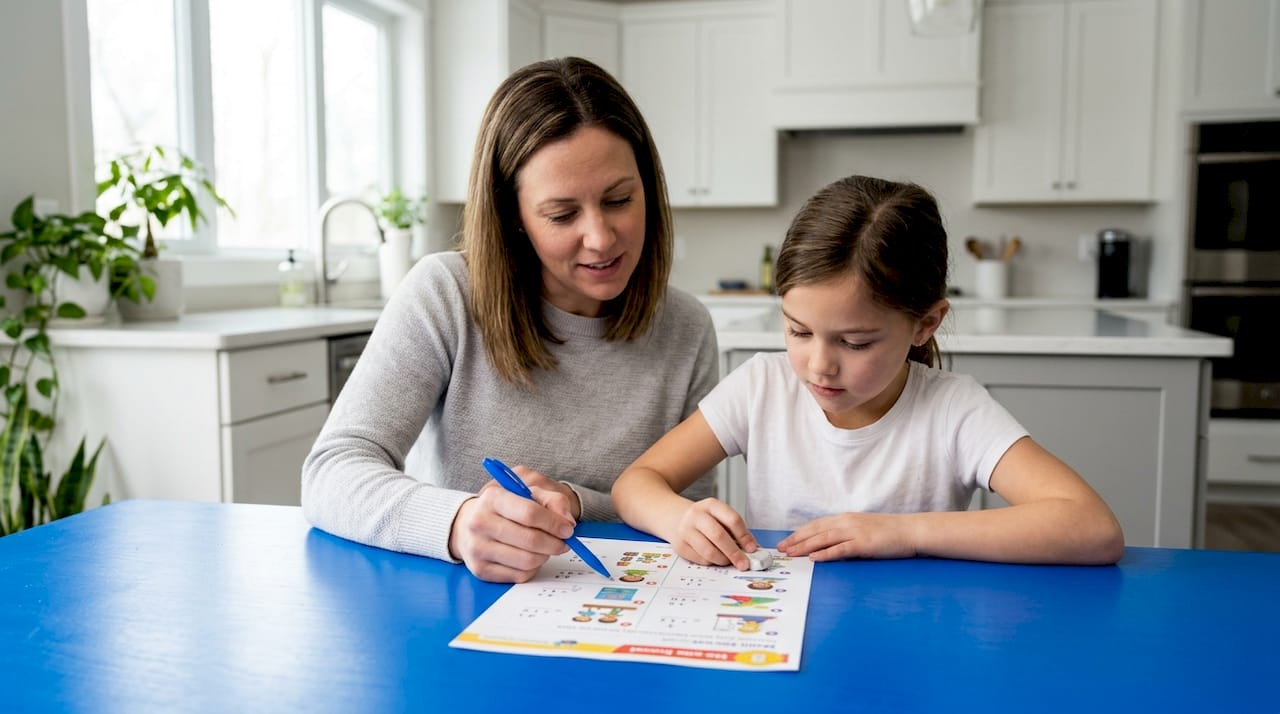
School performance is one of the most visible areas. When ADHD symptoms are better controlled, children can follow multi-step directions, retain information from lessons, and complete assignments. Teachers often notice the change before parents do, because classroom demands make symptoms more visible. In fact, teacher-rated symptoms during school are often the most sensitive real-world marker of whether a treatment is actually working, not just parental report at home.
Social development improves as well. As impulsivity decreases, children become better at turn-taking, reading peer cues, and managing conflict. These gains in social skills have downstream effects on friendships and belonging, which are core predictors of mental health in adolescence.
Self-esteem also responds to effective treatment in ways that aren’t immediately obvious. When a child stops failing repeatedly and starts experiencing genuine academic and social wins, the internal story they tell about themselves begins to shift. That shift matters enormously for long-term resilience.
One critical point: the importance of ADHD treatment is not just about the present. Annual reviews of stimulant treatment are recommended to evaluate whether treatment is still necessary and at the right dose, with many children continuing medication based on school-observed improvement. Ongoing optimization is not optional. It’s part of how treatment actually works.
Non-medication strategies that support ADHD management
Medication does a lot, but it doesn’t do everything. The most effective ADHD management strategies for children include several non-medication components that parents, teachers, and clinicians can implement together.
Physical activity is one of the most underutilized tools available. A randomized controlled trial found that integrated cognitive-motor exercise significantly reduces inattention and hyperactivity in children with ADHD and improves executive functions like inhibitory control and working memory, with high parental satisfaction and no adverse events. This isn’t just “run around more.” Structured programs that combine movement with cognitive challenges produce specific functional gains that complement what medication does.
Beyond exercise, several other supports matter:
- Sleep and nutrition: Irregular sleep patterns worsen inattention and irritability. A consistent bedtime routine is one of the most practical ADHD management strategies a parent can implement immediately. Similarly, skipping meals or eating high-sugar foods affects concentration.
- Structured routines: Predictable daily schedules reduce the decision fatigue that is particularly draining for children with ADHD. Visual schedules, timers, and checklists are simple tools with real impact.
- School collaboration: Teachers who understand a child’s ADHD needs can make accommodations like preferential seating, extended test time, and frequent check-ins that significantly improve academic outcomes.
- Parent involvement: Parenting programs designed specifically for ADHD help caregivers respond to challenging behavior consistently and positively, which reduces household conflict and reinforces the child’s skill-building.
Pro Tip: Talk to your child’s teacher at the start of every school year. Provide a one-page summary of your child’s ADHD, current treatment plan, and what has worked before. Teachers appreciate this and it sets the whole year up differently.
Multimodal plans that bring all these elements together consistently outperform single-approach treatment. The goal is to create an environment, at home and at school, that supports the child’s developing brain rather than constantly working against it.
How to advocate for your child’s ADHD treatment
Once a treatment plan is in place, your role as a caregiver doesn’t decrease. It actually becomes more focused. Here’s how to stay effectively involved:
- Schedule regular provider reviews. Treatment needs change as children grow. What works at age seven may not work at eleven. Stimulant medication requires ongoing titration and dose optimization based on current functioning, not just the original prescription.
- Collect teacher feedback consistently. Ask your child’s teacher to complete a brief rating scale at least twice per year. School-setting observations are often the most reliable indicator of whether medication and other supports are actually helping.
- Track changes at home. Notice sleep quality, appetite, mood, and homework completion. If something shifts, flag it at your next provider appointment rather than waiting to see if it resolves.
- Address side effects early. Non-serious side effects like reduced appetite are common with stimulants, but they should be managed, not ignored. A provider can adjust timing, dose, or medication type to reduce impact.
- Know when to seek additional help. If your child is struggling significantly with anxiety, depression, or social functioning despite treatment, those concerns deserve their own attention. Telehealth ADHD prescribing has made it easier than ever to access multidisciplinary support without long wait times.
The research is clear that medication decisions require ongoing review with school and family input to optimize outcomes. You are not a passive recipient of a treatment plan. You are one of its most important inputs.
My take on what ADHD treatment really means for kids
I’ve worked alongside families navigating ADHD for years, and the conversation I have most often is the one about medication hesitation. Parents walk in bracing for a fight, already defensive. What I’ve learned is that the hesitation usually isn’t about the medication itself. It’s about the fear of changing who their child is.
What I tell them, based on what I’ve actually seen, is this: treatment doesn’t change who your child is. It removes the interference so who they already are can come through. The kid who was frustrated and shutting down in class? With the right support, they become the kid who finally finishes a project and feels proud of it.
The medication-only framing bothers me most. I’ve seen children whose medication was optimized but who still struggled socially and emotionally, because no one addressed the behavioral skills they never got to develop. The families that see the best outcomes are the ones who treat this as a whole-child problem: medication when appropriate, therapy, school accommodations, physical activity, and consistent parenting strategies working together.
If you take one thing from this article, let it be patience paired with action. Don’t wait to see if your child “grows out of it.” Get the evaluation, start the conversation, and stay involved. The evidence points clearly in one direction: children who receive early, consistent, and comprehensive ADHD care do meaningfully better.
— Guorui
Get your child ADHD support through Helloklarity
If you’re ready to take the next step for your child, Helloklarity makes access to licensed ADHD providers faster and easier than traditional healthcare settings.
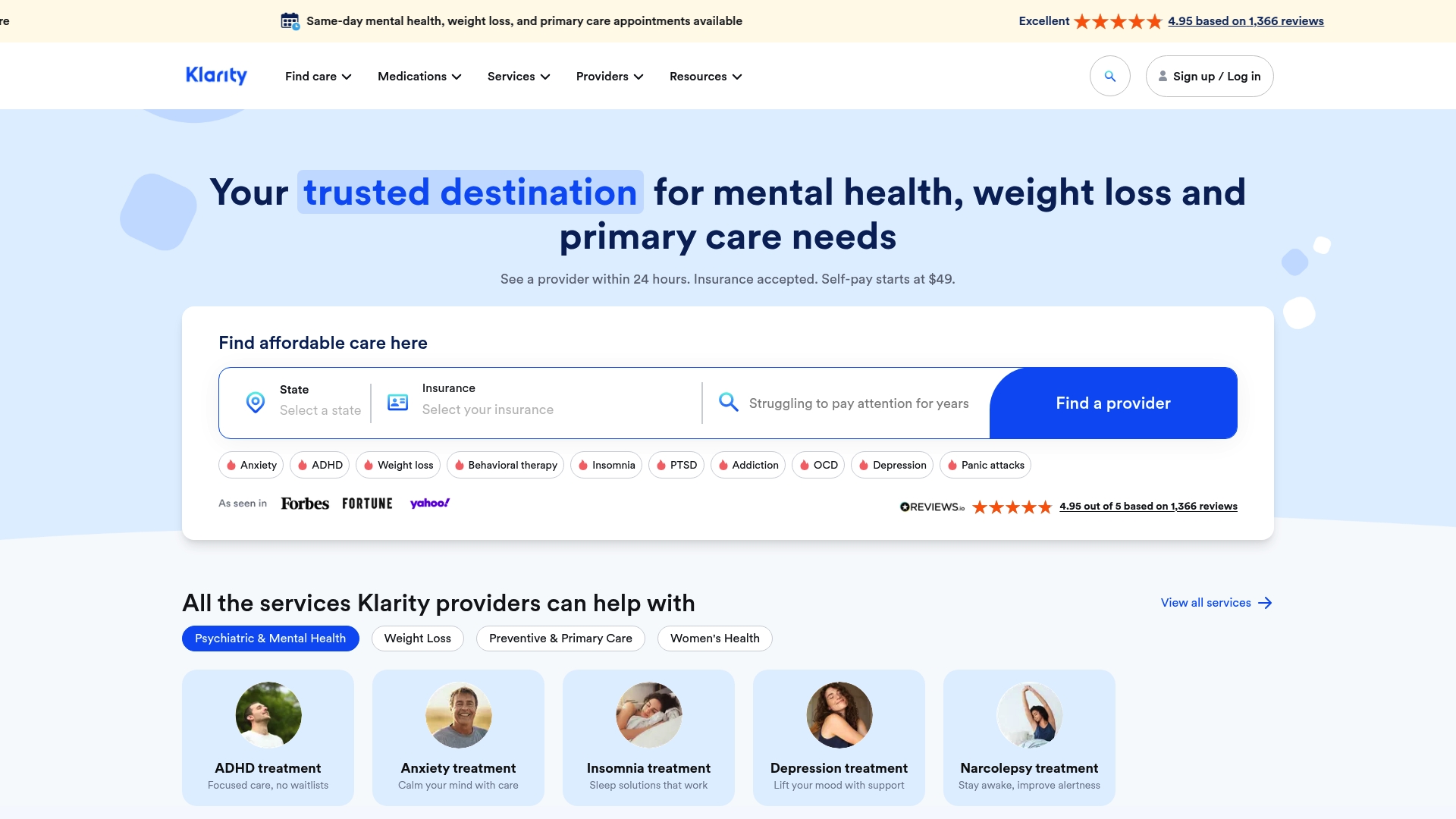
Through Helloklarity’s telehealth platform, you can connect with an ADHD provider within 24 hours, from home, without months-long wait times. Providers specialize in ADHD evaluation, medication management, and personalized treatment planning for children and families. Self-pay options start at $49, and the platform accepts major insurance and health savings accounts. Whether your child needs an initial evaluation or a second opinion on an existing plan, you can find a provider near you and get the care your child deserves without the usual barriers.
FAQ
What happens if ADHD goes untreated in children?
Untreated ADHD can lead to chronic academic underperformance, social difficulties, low self-esteem, and increased risk of anxiety, depression, and substance use later in life. Early intervention significantly changes those outcomes.
Is medication the only treatment for children with ADHD?
No. While stimulant medications have strong evidence behind them, the most effective approach combines medication with behavioral therapy, school accommodations, structured routines, and physical activity tailored to the individual child.
How do I know if my child’s ADHD treatment is working?
Improvements in teacher-rated classroom behavior are often the clearest signal. Track changes in attention, homework completion, mood, and social interactions at home, and review these with your child’s provider and teacher regularly.
At what age should ADHD treatment start?
Treatment can begin as early as preschool age for severe cases, though approaches vary by age. Behavioral strategies are typically prioritized for younger children, with medication considered based on symptom severity and clinical guidance.
How long does a child need ADHD treatment?
There’s no single timeline. Some children continue treatment through adolescence and into adulthood, while others may taper off with ongoing monitoring. Annual reviews with provider, family, and school input help determine the right course for each child.
Recommended
- Does Insurance Cover ADHD Medication And Treatment? What To Know In 2026 | Klarity Health, Inc
- ADHD Patient Acquisition For Prescribers | Klarity Health, Inc
- UnitedHealthcare New York ADHD Treatment Coverage | Klarity Health | Klarity Health, Inc
- UnitedHealthcare Texas ADHD Treatment Coverage | Klarity Health | Klarity Health, Inc
Get expert care from top-rated providers
Find the right provider for your needs — select your state to find expert care near you.
Related posts






— Monday to Friday, 7:00 AM to 4:00 PM PST
Join our mailing list for exclusive healthcare updates and tips.

— Monday to Friday, 7:00 AM to 4:00 PM PST



