 HSA & FSA accepted; best-value for top quality care
 Same-day mental health, weight loss, and primary care appointments available

 Accept major insurances and cash-payHSA & FSA accepted; best-value for top quality careSame-day mental health, weight loss, and primary care appointments availableAccept major insurances and cash-pay
Health Anxiety in the Digital Age: When AI Amplifies Your Medical Fears
Written by Klarity Editorial Team
Published: Aug 12, 2025
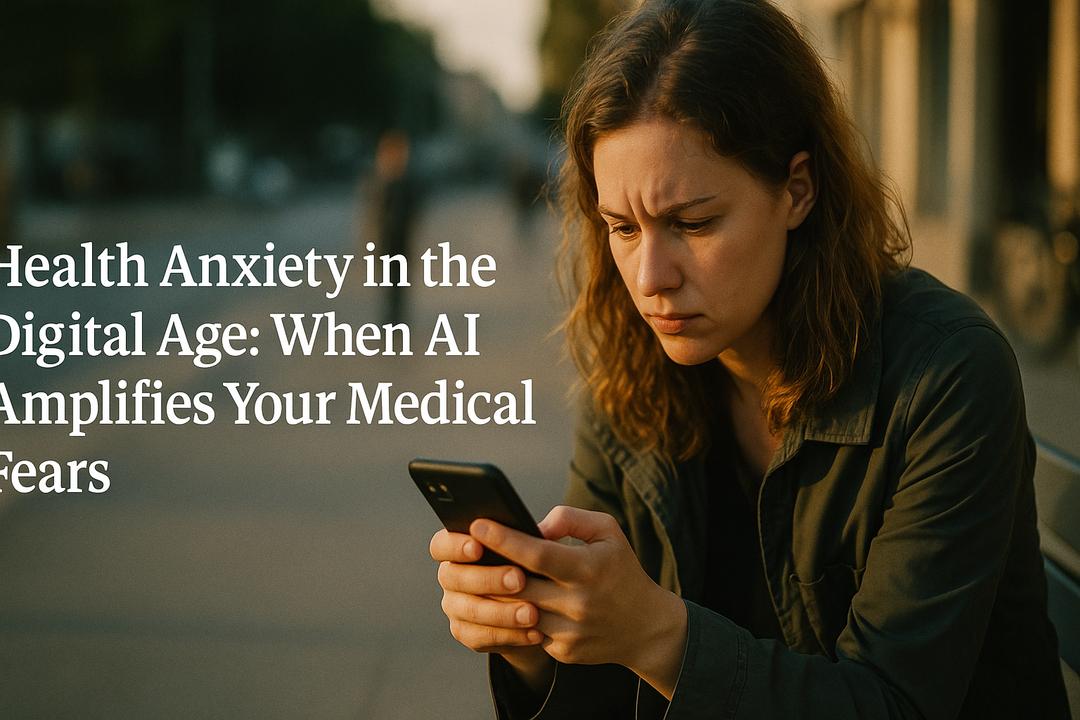
In an era where information is just a tap away, many of us have turned to digital solutions for health concerns. From “Dr. Google” to the more sophisticated ChatGPT and other AI tools, technology has transformed how we approach our health questions. But for the millions who experience health anxiety, these digital resources can become a double-edged sword—offering temporary reassurance while potentially deepening anxiety cycles. This growing phenomenon raises important questions about the intersection of technology, mental health, and healthcare accessibility.
Health anxiety is treatable: Licensed providers on Klarity Health can evaluate symptoms and discuss therapy or medication when appropriate. Coverage varies by plan. Verify your benefits before booking. See if you may qualify →
The Rise of Digital Reassurance Seeking
Health anxiety—previously known as hypochondria—affects approximately 4-5% of people. However, digital health anxiety behaviors are becoming increasingly common. A recent survey found that 89% of patients Google their symptoms before seeing a doctor, and 22% regularly seek health information online.
This behavior has evolved from simple searches to complex interactions with AI tools like ChatGPT that can respond conversationally to health concerns. Users describe a compelling pattern:
- Experience a physical sensation or symptom
- Feel rising anxiety about possible serious conditions
- Consult AI for immediate reassurance
- Receive temporary relief
- Begin doubting the AI’s response
- Return to AI repeatedly with variations of the same concern
As one Reddit user shared: “I found myself asking ChatGPT about the same chest pain four different ways, hoping for consistent answers. The immediate response was calming, but I’d be back an hour later with the same fear.”

Free consultations available with select providers only.
Get a free consultation
And find an affordable, caring specialist.
Free consultations available with select providers only.
Why AI Appeals to the Health-Anxious Mind
Immediate Accessibility
When panic strikes at 3 AM, AI doesn’t keep office hours. For many users, particularly those experiencing panic attacks that mimic serious medical conditions, the immediate reassurance of AI feels like a lifeline.
Financial Barriers to Traditional Healthcare
With the average emergency room visit costing over $1,000 without insurance, many Americans avoid seeking medical care due to cost concerns. As one user explained, “When you’re choosing between rent and a doctor’s visit for something that might be nothing, ChatGPT seems like a reasonable alternative.”
The Appearance of Medical Authority
AI tools are becoming increasingly sophisticated in how they present information. ChatGPT can cite medical literature and present information in a authoritative manner that mimics healthcare providers, creating a false sense of security in its responses.
The Dangers of AI-Driven Self-Diagnosis
Medical Misinformation and Hallucinations
Despite their conversational abilities, AI systems like ChatGPT have significant limitations when it comes to medical accuracy:
- They can confidently present incorrect information (known as “hallucinations”)
- They lack access to up-to-date medical research
- They can’t perform physical examinations or order tests
- They don’t have your complete medical history
Reinforcement of Anxiety Cycles
Perhaps most concerning for those with health anxiety is how AI can unwittingly reinforce unhealthy patterns. Dr. Sarah Mitchell, a clinical psychologist specializing in health anxiety, explains: “The immediate relief from reassurance seeking actually strengthens the anxiety cycle. Each time you seek reassurance and receive it, your brain learns that the best way to handle the discomfort is to seek more reassurance rather than developing tolerance for uncertainty.”
Delayed Proper Diagnosis
One Reddit user shared a sobering story: “I had been consulting AI about my persistent headaches for weeks. It suggested stress and dehydration. When I finally saw a doctor, I actually had dangerously high blood pressure that required immediate treatment.”
Finding Balance: Using Technology Wisely
Recognize Digital Reassurance Seeking
The first step is awareness. Ask yourself:
- Am I consulting technology about the same health concern repeatedly?
- Do I feel temporary relief followed by returning anxiety?
- Am I asking the same question in different ways hoping for a specific answer?
- Has my use of health technology increased over time?
If you answered yes to these questions, you might be caught in a digital reassurance cycle.
Alternative Resources for Health Concerns
When you’re worried about a health issue but can’t immediately see a doctor, consider these alternatives to AI:
Nurse Hotlines: Many insurance companies and hospitals offer 24/7 nurse advice lines staffed by actual healthcare professionals.
Telehealth Services: While not free, many telehealth options are more affordable than emergency care and connect you with licensed providers.
Community Health Centers: These facilities often provide sliding-scale fees based on income.
Reliable Health Websites: Resources like the Mayo Clinic, Cleveland Clinic, or MedlinePlus provide medically reviewed information.
Building Healthier Relationships with Technology
Setting Boundaries with Health Tech
Consider these practical strategies:
- Limit symptom checking to once per concern
- Set a timer for health research (e.g., 15 minutes maximum)
- Have a trusted friend or family member to call instead of consulting AI
- Create a “worry window”—a specific time to address health concerns rather than throughout the day
When to Seek Professional Help
Certain red flags indicate the need for professional mental health support:
- Health concerns dominate your thoughts for hours each day
- You’ve developed avoidance behaviors related to health fears
- Reassurance only provides relief for minutes before worry returns
- Health anxiety is interfering with work, relationships, or daily functioning
The Future of AI and Health Anxiety
As AI becomes more integrated into healthcare, finding the balance between technological assistance and human connection will be crucial. Healthcare systems are beginning to recognize the need for accessible mental health support specifically targeting health anxiety.
Some therapists now incorporate “digital detox” strategies into treatment plans for health anxiety, helping patients develop healthier relationships with technology while building tolerance for the uncertainty that comes with being human.
Getting Help for Health Anxiety
If you recognize the patterns described in this article, you’re not alone. Health anxiety responds well to therapeutic approaches like Cognitive Behavioral Therapy (CBT), which helps break the cycle of anxiety and reassurance seeking.
Rather than turning to AI for your next health worry, consider reaching out to a mental health professional who specializes in anxiety disorders. Many now offer telehealth options, making quality care more accessible than ever before.
Remember: Technology should support your healthcare journey, not replace the human connection and expertise that comes from working with qualified healthcare providers who understand not just symptoms, but the whole person experiencing them.
If you’re experiencing a medical emergency, always call 911 or your local emergency number immediately.
Related reading
Looking for support with Anxiety? Get expert care from top-rated providers
Find the right provider for your needs — select your state to find expert care near you.
Related posts






— Monday to Friday, 7:00 AM to 4:00 PM PST
Join our mailing list for exclusive healthcare updates and tips.

— Monday to Friday, 7:00 AM to 4:00 PM PST



