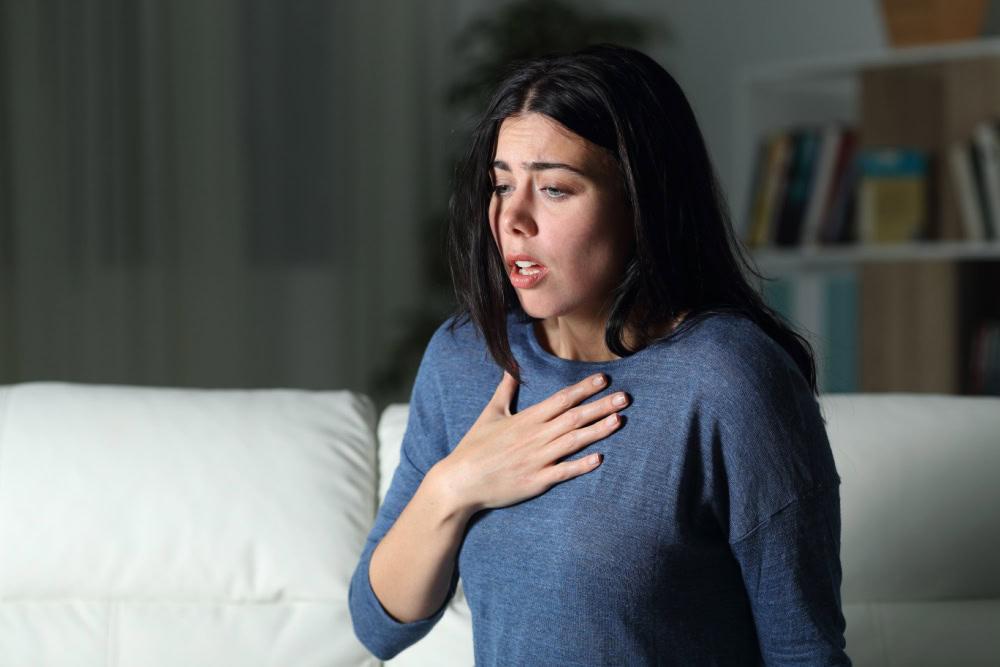
Have you ever felt an overwhelming sense of discomfort in your chest during an anxiety or panic attack? Have you asked yourself, “Can anxiety cause chest pain? The answer is yes. Chest pain is a common symptom of anxiety.
In this article, we explain why people with anxiety have chest pain and what to do about it. Learn about symptoms of and treatment for anxiety, how to know when chest pain is considered an emergency, and when to seek help.
If you’re struggling with anxiety, don’t wait to get treatment. Find a provider on Klarity Health today.
Anxiety can cause chest pain
Many people who suffer with anxiety say that chest pain is their most concerning symptom during an anxiety attack. And worrying about chest pain as a sign of a heart problem can make anxiety worse.
Chest pain can come from many sources. When it’s not heart-related, it’s considered non-cardiac chest pain (NCCP). Several conditions can cause NCCP, including depression, heartburn, anxiety, and other disorders. And conditions that lead to NCCP are estimated to make up 50% or more of emergency room visits for chest pain.
How anxiety causes chest pain
When you’re anxious or stressed, your body prepares to fight or run away through a physiologic response called the fight-or-flight response. Usually, the body returns to normal within 30 minutes of the event that triggers the fight-or-flight response.
But if you have frequent anxiety attacks, your body may not recover as quickly from anxiety’s hormonal and physical symptoms, such as a surge of stress hormones, increased heart rate, and a narrowing of blood vessels. The result is chest pain or NCCP that may feel like a heart attack or other condition, even though it’s not.
Several factors lead to chest pain from anxiety, including:
- Hormone changes: stress hormones released in response to anxiety during the fight-or-flight response include cortisol and adrenaline. These hormones increase the heart rate and blood pressure, which can cause heart palpitations and spasms, resulting in chest pain.
- Muscles: becoming anxious triggers a stress response that leads to pain-inducing physical changes, such as tightening of the chest muscles.
- Hyperventilation (for example, rapid breathing): hyperventilation can occur during a stressful situation and fast breathing can make you feel short of breath. Hyperventilation can cause spasms of the coronary arteries.
Anxiety chest pain vs cardiac chest pain
Anxiety-related chest pain feels different for every person. For some people, it comes on gradually. For others, it may occur suddenly.
Common symptoms of chest pain caused by anxiety can include:
- A dull, aching sensation in the chest
- Tightness or tension in the chest
- A sharp, shooting pain in the chest
- A chest muscle spasm or odd twitch
- Chest pain that lasts just a few minutes or several hours
- A burning or stabbing sensation or numbness in the chest
Common symptoms of chest pain from heart disease include:
- Sharp pain that worsens with exertion or increased activity
- Uncomfortable squeezing, pressure
- Pain that spreads up to your neck, down your arm, or to your back or stomach
- Shortness of breath (with or without chest discomfort)
- Lightheadedness, nausea, or cold sweats
- Sudden loss of consciousness
When to seek immediate medical care for chest pain
Some symptoms of anxiety-related chest pain can mimic those caused by a heart problem. Always take chest pain seriously and:
- Seek immediate emergency medical care anytime you have intense, sudden, or new chest pain that lasts longer than 5 minutes.
- Contact your healthcare provider as soon as possible about any chest pain, even when it stops after a few minutes.
Other causes of chest pain
Common non-anxiety causes of NCCP, include:
- Acid reflux (heartburn), which accounts for half of all instances of NCCP.
- Esophageal spasms are painful contractions in your esophagus.
- Stomach conditions (such as achalasia) — some stomach disorders can cause food to back up into your esophagus and result in severe chest pain.
- Peptic ulcers can cause chest pain and a dull ache in the chest area.
- Chest infections or inflammation (such as pleurisy or pneumonia) can cause sharp, stabbing chest pain.
How to relieve anxiety caused by chest pain
A range of anxiety treatments are available, depending on the type of anxiety, its severity, symptoms, and any co-occurring disorders. Anxiety treatment often includes medication or seeing a talk or behavioral therapist. Natural and self-help remedies are available for calming down anxiety too.
Medical help for chest pain from anxiety
A common tailored approach to anxiety treatment is a combination of talk therapy to help with anxiety (psychotherapy) and medication.
One type of therapy proven to help anxiety is cognitive behavioral therapy (CBT). Other types of therapy, such as exposure therapy or group therapy, may be recommended depending on your specific needs.
Other symptoms of anxiety
Chest pain isn’t the only symptom of anxiety. There are several types of anxiety, including panic disorder, generalized anxiety disorder (GAD), and social anxiety disorder (SAD) each with different symptoms.
Key takeaway
- Chest pain is a common symptom of anxiety.
- Hormone changes, muscle changes, and hyperventilation are the primary causes of chest pain from anxiety.
- Anytime you have sudden, intense or new chest pain that lasts for more than 5 minutes, seek medical help.
- Treating anxiety can relieve chest pain caused by anxiety.
Get help for anxiety in as little as 24 hours*
Dealing with anxiety and chest pain can be overwhelming. But your symptoms don’t have to go untreated. Find an anxiety provider today on Klarity Health. No insurance needed and no hidden fees.
*Appointments are generally available within 24 hours. Free initial consultations are available only with select providers. Prescriptions, particularly for controlled substances, may require an in-person evaluation depending on the state of residence and current federal regulations.
The information provided in this article is for educational purposes only and should not be construed as medical advice. Controlled substances may not be appropriate for all patients and any mention of these medications is for educational purposes only, not for marketing or encouraging self-diagnosis. Always seek the guidance of a qualified healthcare professional with any questions or concerns you have regarding your health. Providers on Klarity Health are independent practitioners with clinical autonomy. Nothing in this article is intended to diagnose or treat any condition, including guaranteeing prescription medication of any kind or dosage. Not all providers on Klarity Health prescribe all medications, particularly medications that are controlled substances.
If you’re having a mental health crisis or experiencing a psychiatric emergency, it’s crucial to seek immediate help from a mental healthcare professional, such as a psychiatrist, psychologist, or therapist. You can also call your local emergency services, visit your nearest emergency room, or contact a crisis hotline, such as the National Suicide Prevention Lifeline, by calling or texting 988 or dialing the Lifeline’s previous phone number, 1-800-273-TALK (1-800-273-8255) in the U.S.
Looking for support with Anxiety? Get expert care from top-rated providers
Find the right provider for your needs — select your state to find expert care near you.
 HSA & FSA accepted; best-value for top quality care
 Same-day mental health, weight loss, and primary care appointments available

 Accept major insurances and cash-pay