 HSA & FSA accepted; best-value for top quality care
 Same-day mental health, weight loss, and primary care appointments available

 Accept major insurances and cash-payHSA & FSA accepted; best-value for top quality careSame-day mental health, weight loss, and primary care appointments availableAccept major insurances and cash-pay
Managing GLP-1 Medication Side Effects: Expert Strategies for Reducing Post-Shot Symptoms
Written by Klarity Editorial Team
Published: Aug 7, 2025
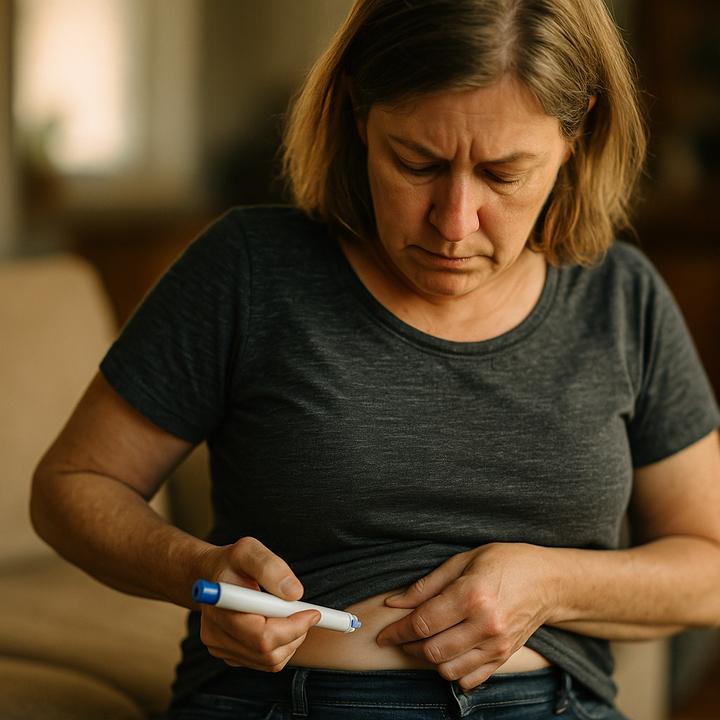
Key takeaway: GLP-1 medications like Ozempic, Wegovy, and Mounjaro commonly cause nausea, fatigue, and GI discomfort after injection, but these symptoms are manageable with timing strategies, dietary adjustments, and provider-guided titration. Most side effects improve significantly after the first 4-8 weeks.
Introduction
GLP-1 medications have revolutionized weight loss treatment, offering significant results for many patients struggling with obesity. However, the journey isn’t always smooth. If you’ve experienced nausea, migraine, dizziness, or flu-like symptoms after your Ozempic, Wegovy, or Mounjaro injection, you’re not alone. These GLP-1 side effects can last 24-48 hours post-injection and may cause anxiety about future doses. The good news? With proper management techniques, you can potentially reduce these side effects while maintaining your weight loss progress.
Ready to explore your GLP-1 options? Klarity’s licensed providers can evaluate whether semaglutide, tirzepatide, or other weight loss medications may be right for you — fully online, same-day appointments with 2,000+ providers. Many insurance plans may cover your visit. See if you may qualify →
Understanding Common GLP-1 Side Effects
GLP-1 receptor agonists work by mimicking a hormone that regulates appetite and insulin production. While effective for weight loss, this mechanism can trigger several side effects:
- Gastrointestinal issues: Nausea, vomiting, diarrhea, constipation
- Injection site reactions: Redness, swelling, or discomfort
- Systemic symptoms: Fatigue, dizziness, headaches
- Blood sugar fluctuations: Hypoglycemia (low blood sugar)
These symptoms typically peak 1-2 days post-injection, creating what many patients describe as a “crash” period that affects their quality of life.
Expert Strategy #1: Dose Splitting for Symptom Management
One of the most effective approaches for managing GLP-1 side effects is dose splitting. Instead of taking your full weekly dose at once, dividing it into twice-weekly half-doses (with provider approval) can significantly reduce peak side effects while maintaining weight loss results.
Expert Strategy #2: Optimal Injection Site Techniques
Rotate between thighs, abdomen, and upper arms. Avoid injecting into the same area repeatedly. Apply ice before injection to reduce discomfort and use proper technique — pinch the skin, insert the needle at a 90-degree angle, and inject slowly.
Expert Strategy #3: Hydration and Nutrition Protocols
Drink at least 64-80 ounces of water daily, include electrolyte supplements especially on injection days, eat smaller more frequent meals, and avoid high-fat, spicy, or heavy meals for 24-48 hours post-injection.
Expert Strategy #4: Medication Timing and Additional Support
Inject before bedtime if fatigue is your primary side effect. Administer in the morning if insomnia is an issue. Discuss anti-nausea medications like ondansetron with your provider if symptoms are severe.
When to Consult Your Healthcare Provider
Seek medical attention for severe or persistent vomiting, inability to keep fluids down for 24+ hours, signs of dehydration, or severe abdominal pain. Dose adjustments or medication changes should always be discussed with your healthcare provider.
2026 Update: New Insights on GLP-1 Side Effect Management
Research published in 2025 and early 2026 has refined how clinicians approach GLP-1 side effect management, with several evidence-based updates worth knowing.
Slower dose titration reduces dropout. A 2025 real-world analysis of Wegovy users found that extending the titration phase by 4-8 weeks significantly reduced nausea-related discontinuation without meaningfully affecting 52-week weight loss outcomes. If post-shot nausea is severe, asking your provider about a slower ramp may improve tolerability.
Tirzepatide side effect profile vs. semaglutide. SURMOUNT-5 data confirmed tirzepatide and semaglutide carry similar GI side effect rates overall, but tirzepatide users reported somewhat lower rates of nausea at equivalent effective doses, possibly related to its dual GIP/GLP-1 mechanism. This is increasingly relevant as more patients are eligible for both options.
Oral semaglutide (Rybelsus) side effects. FDA approval of oral semaglutide for weight management in 2026 adds an injection-free option, but GI side effects remain — typically presenting earlier in the day (within 30 minutes of dosing) rather than at the injection window. Timing oral dosing carefully with food and water is critical.
Compounded semaglutide regulatory shift. FDA enforcement against compounded semaglutide tightened in 2025. Patients using compounded versions should confirm their provider is prescribing from an FDA-registered 503B outsourcing facility and that strength and excipients match the reference listed drug.
Frequently Asked Questions
Why do GLP-1 medications cause nausea after injection?
GLP-1 receptor agonists slow gastric emptying and act on brain regions that regulate nausea. These effects are strongest during dose escalation and typically improve as your body adapts over the first 4-8 weeks.
How long do post-shot side effects last?
Most patients experience peak side effects in the 24-48 hours following their weekly injection. By weeks 8-12, many find symptoms have reduced substantially. Slower titration can further reduce this window.
Is tirzepatide easier on the stomach than semaglutide?
Head-to-head data from the SURMOUNT-5 trial suggests tirzepatide and semaglutide carry broadly similar GI side effect rates, though tirzepatide may cause slightly less nausea at equivalent effective doses. Individual responses vary.
How do I get started on a GLP-1 medication?
A licensed provider evaluates your medical history, current health status, and weight goals before prescribing. Klarity offers fully online evaluations with 2,000+ licensed providers, often with same-day availability.
May insurance cover my GLP-1 medication for weight loss?
Many commercial insurance plans now include coverage for GLP-1 medications prescribed for obesity or chronic weight management. Coverage eligibility depends on your specific plan and diagnosis. Coverage varies by plan. Verify your benefits before booking.
Ready to explore your GLP-1 options? Klarity’s licensed providers can evaluate whether semaglutide, tirzepatide, or other weight loss medications may be right for you — fully online, same-day appointments with 2,000+ providers. Many insurance plans may cover your visit. See if you may qualify →
Coverage varies by plan. Verify your benefits before booking.
Looking for support with Weight loss? Get expert care from top-rated providers
Find the right provider for your needs — select your state to find expert care near you.
Related posts

— Monday to Friday, 7:00 AM to 4:00 PM PST
Join our mailing list for exclusive healthcare updates and tips.

— Monday to Friday, 7:00 AM to 4:00 PM PST



