 HSA & FSA accepted; best-value for top quality care
 Same-day mental health, weight loss, and primary care appointments available

 Accept major insurances and cash-payHSA & FSA accepted; best-value for top quality careSame-day mental health, weight loss, and primary care appointments availableAccept major insurances and cash-pay
The GLP-1 Side Effect Cycle: Understanding and Managing Your Weekly Journey with Weight Loss Medications
Written by Klarity Editorial Team
Published: Aug 7, 2025
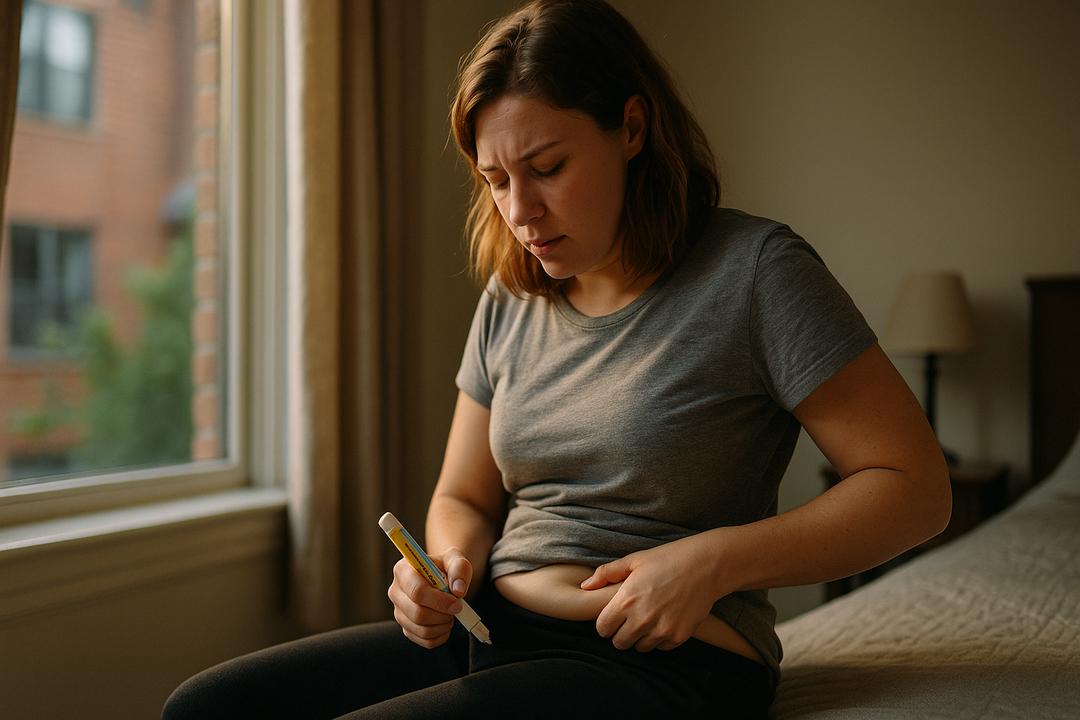
Key takeaway: GLP-1 medications create a predictable weekly cycle of symptoms: peak side effects in the 24-48 hours after injection, a sweet spot of strong appetite suppression mid-week, and sometimes returning hunger in the day before the next dose. Understanding this cycle helps patients plan activities, meals, and injection timing to minimize disruption.
If you’ve recently started Zepbound, Wegovy, or another GLP-1 medication for weight loss, you might be wondering if the rollercoaster of symptoms you’re experiencing is normal. From intense nausea after injection to increased hunger as your next dose approaches, GLP-1 medications often create a predictable weekly cycle of side effects that can be challenging to navigate.
Ready to explore your GLP-1 options? Klarity’s licensed providers can evaluate whether semaglutide, tirzepatide, or other weight loss medications may be right for you — fully online, same-day appointments with 2,000+ providers. Many insurance plans may cover your visit. See if you may qualify →
Understanding the GLP-1 Side Effect Cycle
GLP-1 receptor agonists have revolutionized weight management, but they come with a distinct pattern of side effects that many patients describe as cyclical.
Days 1-3: The Peak Intensity Phase
Immediately following your injection, medication levels in your bloodstream reach their highest concentration, often triggering the most intense side effects: severe nausea, maximally reduced appetite, potential insomnia, and elevated resting heart rate in some patients.
Days 4-5: The Adjustment Phase
As your body begins to metabolize the medication, side effects typically begin to moderate. Energy levels may improve, sleep disturbances often decrease, and many patients report this as their “sweet spot” of appetite control with manageable side effects.
Days 6-7: The Tailing Off Phase
Before your next scheduled dose, medication efficacy begins to wane, hunger signals may return, and side effects are generally minimal. Some patients experience “rebound hunger” as the medication’s effects diminish.
Week-by-Week GLP-1 Side Effect Timeline
| Week | What to Expect | Management Tips |
|---|---|---|
| Week 1-2 (Starting dose) | Mild to moderate nausea, reduced appetite, possible fatigue; headache common | Small, frequent meals; stay hydrated; avoid high-fat/spicy foods; rest after injection |
| Week 3-4 | Nausea begins to improve for most; continued appetite suppression; possible constipation | Add fiber; maintain electrolytes; track symptoms for provider check-in |
| Week 5-8 (First dose escalation) | Nausea may temporarily increase with dose increase; GI symptoms variable | Allow 2+ weeks at new dose before assessing tolerability; consider slower titration if severe |
| Days 1-2 post-injection | Peak side effect window; nausea, low energy, possible headache | Schedule injections on a low-demand day (e.g., Friday evening); have anti-nausea support ready |
| Days 3-5 post-injection | Symptom improvement; stronger appetite suppression; energy recovering | Optimal window for physical activity; stay consistent with protein intake |
| Days 6-7 pre-injection | Some patients notice returning hunger as medication concentration wanes | Normal for most; if hunger significantly disrupts adherence, discuss dose timing with provider |
Managing GLP-1 Side Effects Effectively
Take your injection before bed to sleep through peak nausea periods. Stay hydrated with small sips of water throughout the day. Discuss anti-nausea medications like ondansetron with your provider. Use bland, simple foods in smaller portions on injection days.
2026 Update: Evolving Understanding of the GLP-1 Weekly Cycle
New clinical data and the expansion of available GLP-1 medications in 2025-2026 have refined our understanding of how the weekly side effect cycle works and how to better manage it.
Tirzepatide vs. semaglutide: different cycle profiles. SURMOUNT-5 trial data from 2025 indicates tirzepatide users report a somewhat shorter post-injection nausea window compared to semaglutide users at equivalent weight-loss doses. The dual GIP/GLP-1 mechanism of tirzepatide appears to moderate the peak nausea intensity for some patients, though individual variation is significant.
Oral semaglutide (Rybelsus) cycle differences. FDA-approved oral semaglutide for weight loss in 2026 creates a daily dosing cycle rather than weekly. This flattens the peak-and-trough symptom pattern but introduces daily GI management. Patients who struggle with the intensity of weekly injections may find daily oral dosing more predictable.
Retatrutide Phase 3 observations. The triple agonist retatrutide shows a broadly similar weekly cycle pattern in Phase 3 trials, with GI symptoms peaking in the first 48 hours post-dose. Hydration and dietary strategies validated for existing agents appear to translate.
Compounded semaglutide regulatory changes. FDA enforcement actions against non-503B compounded semaglutide in 2025 mean some patients may transition to brand-name products. Formulation differences (concentration, excipients) can temporarily alter the side effect cycle experienced — providers can help titrate appropriately during transitions.
Frequently Asked Questions
Is the GLP-1 side effect cycle the same for everyone?
No. The pattern is common but not universal. Factors like your starting dose, rate of escalation, individual metabolism, and which specific GLP-1 medication you are taking all influence when and how intensely symptoms occur.
Why do I feel hungrier the day before my injection?
GLP-1 medications are most concentrated in your bloodstream shortly after injection. By day 6-7, blood concentrations have dropped, which can allow appetite signals to partially return. This is a pharmacokinetic effect, not a sign the medication has stopped working.
Does tirzepatide have a different weekly cycle than semaglutide?
Based on 2025 SURMOUNT-5 data, tirzepatide users tend to report a somewhat narrower post-injection nausea window, though both medications follow a broadly similar peak-then-improve weekly arc. Some patients find switching medications changes their cycle pattern.
Can I change my injection day to manage the side effect cycle?
Yes. Many providers allow patients to shift their injection day by a few days to align the peak symptom window with less demanding days. Discuss any schedule changes with your provider before adjusting.
How do I access a GLP-1 medication through Klarity?
Klarity’s 2,000+ licensed providers offer fully online, same-day appointments to evaluate whether semaglutide, tirzepatide, or another GLP-1 option may be appropriate for you. Many insurance plans may cover your visit. Coverage varies by plan. Verify your benefits before booking.
Ready to explore your GLP-1 options? Klarity’s licensed providers can evaluate whether semaglutide, tirzepatide, or other weight loss medications may be right for you — fully online, same-day appointments with 2,000+ providers. Many insurance plans may cover your visit. See if you may qualify →
Coverage varies by plan. Verify your benefits before booking.
Looking for support with Weight loss? Get expert care from top-rated providers
Find the right provider for your needs — select your state to find expert care near you.
Related posts

— Monday to Friday, 7:00 AM to 4:00 PM PST
Join our mailing list for exclusive healthcare updates and tips.

— Monday to Friday, 7:00 AM to 4:00 PM PST



