 HSA & FSA accepted; best-value for top quality care
 Same-day mental health, weight loss, and primary care appointments available

 Accept major insurances and cash-payHSA & FSA accepted; best-value for top quality careSame-day mental health, weight loss, and primary care appointments availableAccept major insurances and cash-pay
Breaking the Cycle: CBT-I Techniques for Overcoming Sleep Anxiety and Panic Attacks
Written by Klarity Editorial Team
Published: Jul 28, 2025
Key takeaway: Cognitive Behavioral Therapy for Insomnia (CBT-i) is the first-line recommended treatment for chronic insomnia and sleep anxiety, and more effective than sleep medication in the long term. In 2026, digital CBT-i apps have expanded access significantly, with new FDA clearance expansions and effectiveness data making them a practical option for many patients. Klarity providers can assess whether CBT-i or a combination approach is right for you.
Struggling with sleep anxiety or chronic insomnia? Klarity connects you with licensed providers for same-day online appointments — many insurance plans may cover your visit. See if you may qualify →
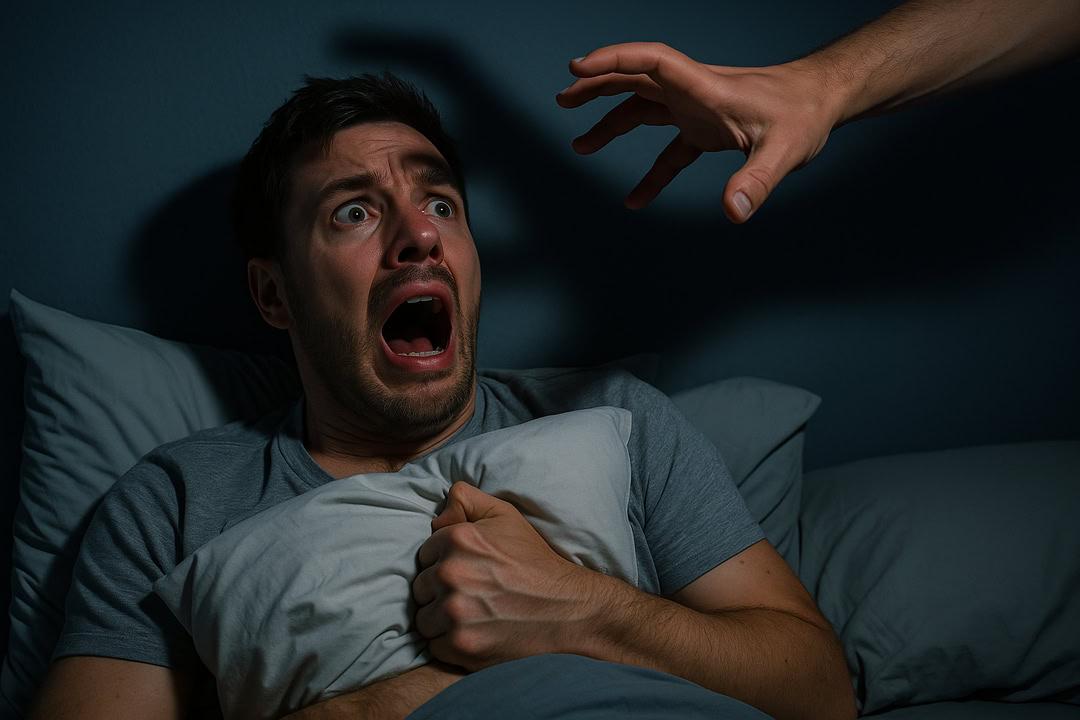
Lying in bed, heart racing, mind flooded with catastrophic thoughts about what might happen if you fall asleep—or worse, what might happen if you don’t. If this describes your nightly experience, you’re among countless individuals battling sleep anxiety and sleep-related panic attacks. The fear of falling asleep (somniphobia) can transform what should be a restorative process into an intensely frightening experience, triggering a cycle of hyperarousal insomnia that feels impossible to escape.
While general anxiety management techniques are helpful, sleep anxiety often requires specialized approaches. In this guide, we’ll explore evidence-based CBT-I techniques and exposure therapies specifically designed to address the unique challenges of sleep-related anxiety and panic.
Understanding the Sleep Anxiety Cycle
Sleep anxiety differs from general insomnia in significant ways. At its core lies a fear response specifically tied to sleep itself or the process of falling asleep.
The Hyperarousal-Anxiety Connection
Sleep anxiety typically follows a predictable pattern:
- Anticipatory anxiety: As bedtime approaches, worry about potential sleep issues begins
- Physiological hyperarousal: The body enters a heightened state of alertness, activating the sympathetic nervous system
- Sleep difficulty: Falling asleep becomes difficult or impossible due to the heightened state of arousal
- Catastrophic thinking: Beliefs that something terrible will happen if you fall asleep (or don’t fall asleep) intensify
- Panic response: In severe cases, full panic attacks with symptoms like chest pain, shortness of breath, and intense fear emerge
This cycle reinforces itself night after night, strengthening the brain’s association between sleep and danger.
CBT-I: The Gold Standard for Sleep Anxiety Treatment
Cognitive Behavioral Therapy for Insomnia (CBT-I) has been extensively researched and proven highly effective for breaking the cycle of sleep anxiety. Unlike general CBT, CBT-I specifically targets the thoughts, behaviors, and physiological responses that maintain sleep difficulties.
Core CBT-I Techniques for Sleep Anxiety
1. Cognitive Restructuring for Sleep-Related Thoughts
Identifying and challenging catastrophic thoughts about sleep is essential. Common fears include:
- Fear of dying during sleep
- Fear of going crazy from sleep deprivation
- Fear of having a panic attack while sleeping
- Fear of sleepwalking or doing something dangerous while asleep
Implementation technique: Keep a sleep thought journal beside your bed. When anxiety-producing thoughts arise, write them down alongside evidence that contradicts them.
2. Sleep Restriction Therapy
Surprisingly, spending less time in bed often improves sleep quality for those with anxiety-related insomnia. This technique creates mild sleep deprivation that helps overcome hyperarousal.
Implementation technique: Calculate your actual sleep time (not time in bed) and initially restrict time in bed to this amount (minimum 5 hours). As sleep efficiency improves, gradually increase time in bed by 15-30 minutes.
3. Stimulus Control for Sleep Anxiety
This technique helps break the association between your bed and anxiety.
Implementation technique: Use your bed only for sleep (and intimacy). If you’re not asleep after 20 minutes or if anxiety intensifies, get up and go to another room. Return to bed only when sleepy. Repeat as necessary.
Sleep Exposure Therapy: Facing the Fear of Sleep
For severe sleep anxiety, exposure therapy can be remarkably effective. This approach involves gradually confronting the feared situation (sleep) in a controlled way.
Graduated Exposure Protocol for Sleep Anxiety
- Create a fear hierarchy: List sleep-related situations from least to most anxiety-provoking
- Begin with least-feared scenarios: Perhaps lying in bed with lights on during daytime
- Progress gradually: Move toward more challenging scenarios (lights off, nighttime)
- Incorporate relaxation: Use breathing techniques during exposure exercises
- Prevent safety behaviors: Identify and eliminate behaviors that temporarily reduce anxiety but maintain the fear long-term
Managing Sleep Panic Attacks
Panic attacks that occur as you’re falling asleep or that wake you from sleep are particularly distressing. Specific techniques can help:
Acceptance-Based Approaches
Fighting panic often intensifies it. Instead:
- Acknowledge the panic: “I’m having a panic attack. This is uncomfortable but not dangerous.”
- Focus on breathing: Use diaphragmatic breathing (4-second inhale, 6-second exhale)
- Practice paradoxical intention: Instead of fighting the panic, briefly lean into the sensations with curiosity
When to Seek Intensive Treatment for Insomnia
While self-help approaches are valuable, some situations warrant professional intervention:
- Sleep anxiety that persists despite consistent application of CBT-I techniques
- Panic attacks that occur frequently during the sleep period
- Development of dangerous coping mechanisms (alcohol, unprescribed medication)
- Thoughts of self-harm related to ongoing sleep difficulties
Recovery Is Possible: Building a Path Forward
Recovery from sleep anxiety is rarely linear, but consistent application of evidence-based techniques typically yields significant improvement. Many who once suffered from debilitating sleep panic attacks now sleep soundly through the night.
Key elements of successful recovery include consistency in technique application, patience with the process, self-compassion when setbacks occur, and professional support from specialists familiar with sleep anxiety.
If you’re struggling with sleep anxiety, panic attacks during sleep, or hyperarousal insomnia, you don’t have to face it alone. Begin implementing these CBT-I techniques tonight, starting with just one approach that seems most manageable.
For immediate support during nighttime anxiety crises, keep the number for a crisis line accessible (988 Suicide & Crisis Lifeline also handles anxiety crises).
2026 Updates: Digital CBT-i Effectiveness and New App Options
Digital CBT-i has matured significantly by 2026, with a growing evidence base supporting the effectiveness of app-delivered programs for chronic insomnia and sleep anxiety. Sleepio, one of the most studied digital CBT-i platforms, has accumulated randomized controlled trial data showing clinically meaningful improvements in sleep efficiency and insomnia severity in populations with co-occurring anxiety and depression.
Somryst, the FDA-cleared prescription digital therapeutic for insomnia, expanded its clearance scope in 2025 and 2026 to cover a broader patient population, including those with co-occurring anxiety disorders. Unlike general wellness sleep apps, Somryst is a prescription-only digital therapeutic with a defined treatment course, which some health plans may cover as a digital health benefit.
For patients with sleep anxiety specifically, digital CBT-i programs that include dedicated sleep restriction therapy and stimulus control components have shown particular promise in 2026 studies. Sleep restriction therapy temporarily limits time in bed to build sleep drive and is counterintuitive but consistently effective for breaking the anxiety-hyperarousal-insomnia cycle. When anxiety is driving the insomnia rather than the reverse, combining digital CBT-i with anxiety treatment from a licensed provider tends to produce the best outcomes.
Frequently Asked Questions
What is CBT-i and how does it treat insomnia?
CBT-i is Cognitive Behavioral Therapy for Insomnia, a structured program that addresses the thoughts, behaviors, and habits that maintain insomnia. It typically includes sleep restriction, stimulus control, cognitive restructuring, and sleep hygiene education. It is considered the first-line treatment for chronic insomnia by most sleep medicine guidelines.
Is CBT-i effective for anxiety-related insomnia?
Yes. CBT-i is particularly effective for insomnia driven by anxiety and hyperarousal. Research shows it reduces both insomnia severity and associated anxiety. It is often combined with anxiety treatment for best results when anxiety is a primary driver of sleep problems.
What are the best digital CBT-i apps in 2026?
Sleepio and Somryst are among the most evidence-backed digital CBT-i programs. Sleepio is available directly to consumers; Somryst requires a prescription. Both have randomized trial data supporting their effectiveness for chronic insomnia.
How long does CBT-i take to work?
Most structured CBT-i programs run 6 to 8 weeks. Many patients begin to notice improvements in sleep efficiency within the first two to three weeks, though the full benefit typically develops over the complete program.
Can Klarity help with sleep anxiety and insomnia?
Yes. Klarity offers same-day online appointments with licensed providers who can evaluate and treat sleep anxiety and insomnia. See if you may qualify for covered care.
Looking for support with Anxiety? Get expert care from top-rated providers
Find the right provider for your needs — select your state to find expert care near you.
Related posts






— Monday to Friday, 7:00 AM to 4:00 PM PST
Join our mailing list for exclusive healthcare updates and tips.

— Monday to Friday, 7:00 AM to 4:00 PM PST



