 HSA & FSA accepted; best-value for top quality care
 Same-day mental health, weight loss, and primary care appointments available

 Accept major insurances and cash-payHSA & FSA accepted; best-value for top quality careSame-day mental health, weight loss, and primary care appointments availableAccept major insurances and cash-pay
Why Primary Care Is Your First Line of Defense
Written by Klarity Editorial Team
Published: Jul 3, 2026

Primary care is defined as the first point of contact between a patient and the healthcare system, designed to provide continuous, preventive, and person-centered care across a lifetime. That definition explains why primary care is the first line of defense against illness, chronic disease, and avoidable medical crises. Patients with a usual source of primary care live measurably longer, spend less on healthcare, and catch serious conditions earlier than those who rely on urgent care or specialists alone. The American Academy of Family Physicians and the Commonwealth Fund both identify primary care continuity as the single most powerful lever for improving population health. Understanding how that works gives you a real advantage in managing your own health.
Why primary care is the first line of defense for your health
Primary care earns its position as first line medical care through three core functions: prevention, early detection, and long-term relationship building. These are not abstract ideals. They translate directly into measurable health outcomes that no other part of the healthcare system replicates consistently.
Older adults with a usual source of primary care live a median 2.1 years longer after adjusting for demographics and clinical factors. That gap is not explained by a single screening or medication. Research published in the Journal of General Internal Medicine points to the broader qualities of good primary care, including comprehensiveness, coordination, and person-centeredness, as the drivers of survival benefit. Those qualities accumulate over years of consistent care with the same provider.
“Beyond screening, the ‘good doctoring’ aspects of primary care, including comprehensiveness, coordination, and person-centeredness, explain much of its health impact.”
Regenstrief Institute, Primary Care and Survival: Implications for Research and Policy
Patients with a primary care physician are also significantly more likely to receive blood pressure monitoring, cardiovascular screenings, and smoking cessation counseling. Each of those services catches risk factors before they become diagnoses. That is the prevention model working exactly as intended.
How does primary care improve health outcomes and increase life expectancy?
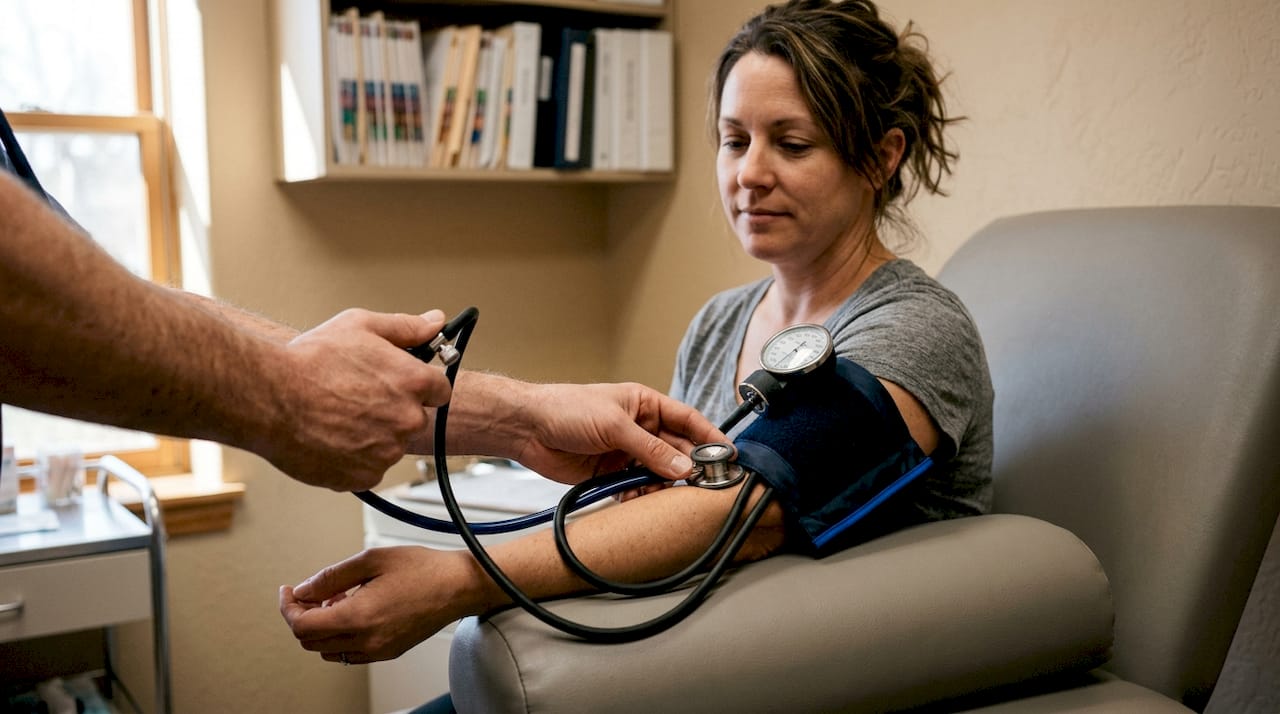
The evidence connecting primary care access to longer life is strong and consistent. The 2.1-year survival advantage is not a statistical quirk. It reflects what happens when a provider knows your full history, tracks changes over time, and coordinates your care across every other part of the system.
Continuity with the same clinician builds the kind of trust that changes patient behavior. Patients share more. Providers notice more. A blood pressure reading that looks normal in isolation looks different when a provider knows it has crept up over three years. That longitudinal awareness is the core of coordinated care and the reason primary care outperforms episodic alternatives on long-term outcomes.
Chronic disease management is where this advantage shows up most clearly. A primary care provider managing a patient with Type 2 diabetes does not just prescribe metformin. They track HbA1c trends, coordinate with an endocrinologist when needed, screen for kidney function, and adjust lifestyle counseling based on what is actually happening in the patient’s life. That kind of comprehensive chronic disease management is what slows disease progression and keeps patients out of the hospital.
How does primary care reduce healthcare costs and prevent avoidable emergencies?
Healthcare costs decrease by nearly 15% for every 10% increase in a patient’s continuity score with their primary care provider. That figure comes from research on chronic disease populations, where the cost savings are most dramatic. The mechanism is straightforward: a provider who knows you well catches problems early, before they require expensive acute care.
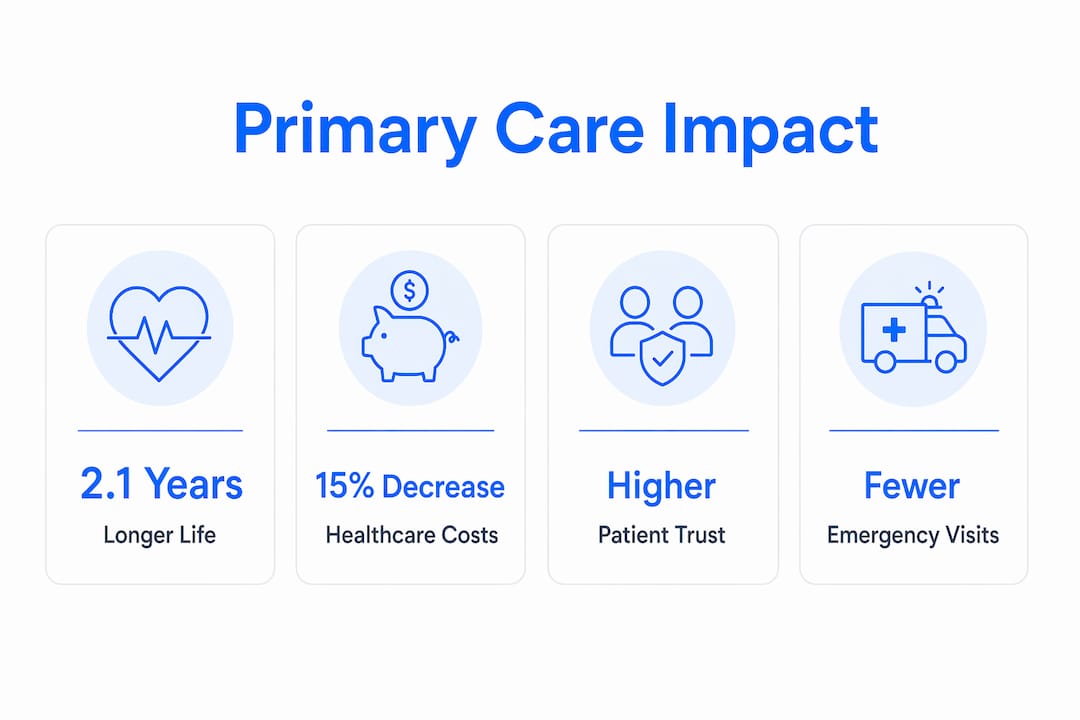
Avoidable emergency visits are one of the largest drivers of unnecessary healthcare spending. Patients who lack a primary care baseline miss early warning signs and end up in emergency departments for conditions that a timely office visit would have managed. Fragmented care between multiple specialists without primary care coordination creates what researchers call “bureaucratic cracks,” where critical information falls through the gaps and patients receive redundant or conflicting treatment.
The cost benefits of strong primary care relationships include:
- Fewer avoidable hospitalizations for chronic conditions like heart failure and COPD
- Reduced redundant diagnostic testing ordered by multiple uncoordinated specialists
- Lower rates of medication errors from conflicting prescriptions
- Earlier identification of mental health conditions before they require crisis intervention
- Better medication adherence through consistent follow-up and patient education
For a deeper look at how this plays out in practice, the connection between primary care and emergency visits is well documented and worth understanding before you need urgent care.
What unique role do primary care providers play compared to urgent care or specialists?
Primary care providers occupy a position that neither urgent care clinics nor specialists can fill. Specialists target specific organ systems. A cardiologist manages your heart. A dermatologist manages your skin. Neither is responsible for the whole person. Urgent care addresses the immediate problem in front of them, with no knowledge of what came before and no plan for what comes next.
A primary care provider manages your overall health and serves as the coordinator of every other care you receive. They know your family history, your medication list, your anxiety about certain procedures, and the fact that your back pain started after a stressful job change. That long-term knowledge of patient history enables a level of personalized care that episodic visits cannot replicate.
The practical differences between care settings are significant:
- Primary care: Ongoing relationship, full health history, preventive focus, chronic disease management, specialist referrals
- Urgent care: Episodic, condition-specific, no continuity, appropriate for minor acute issues
- Specialist care: Deep expertise in one system, requires referral, not designed for whole-person coordination
Pro Tip: If you are unsure whether a symptom needs urgent care or a primary care visit, call your primary care provider first. Most practices have same-day appointments or nurse triage lines that can direct you appropriately and save you an unnecessary emergency room bill.
The role of a primary care physician in coordinating specialist referrals is particularly valuable. Without that coordination, patients often see multiple specialists who do not communicate with each other, leading to fragmented and sometimes contradictory care plans.
How is primary care evolving to address mental health and social determinants of health?
Primary care now extends well beyond physical health. The Commonwealth Fund’s 2025 international survey across 10 countries found that primary care increasingly covers housing instability, nutrition insecurity, mental health, and income-related barriers to care. That expansion reflects a growing recognition that social factors drive a large share of health outcomes.
“The expansion of primary care scope into mental health and social needs requires team-based models to sustain care quality and ease physician burden.”
Commonwealth Fund, The Case for Integrated Primary Care Across 10 Countries
This broader scope creates real pressure on individual providers. A physician managing a full patient panel cannot screen for depression, assess food security, coordinate behavioral health referrals, and manage chronic disease in a standard 20-minute visit. That tension is driving the adoption of team-based care models that include:
- Nurse practitioners and physician assistants handling routine visits and chronic disease follow-up
- Behavioral health counselors embedded in primary care practices
- Social workers conducting housing and nutrition screenings
- Care coordinators managing transitions between primary care and specialty settings
- Pharmacists reviewing medication regimens and counseling on adherence
These team-based primary care models distribute the workload without reducing care quality. They also make primary care more accessible, since nurse practitioners and physician assistants can often see patients more quickly than physicians alone.
How can you maximize the benefits of primary care for your long-term health?
Establishing a relationship with a primary care provider before you get sick is the single most effective step you can take for your long-term health. Patients who wait until they have a problem miss the entire preventive layer that makes primary care valuable. Early detection only works if someone is looking.
Regular wellness visits are the foundation of that relationship. A primary care visit typically includes age-appropriate screenings, medication reviews, lifestyle counseling, and updates to your care plan based on any changes since your last appointment. Those visits create the baseline that makes future comparisons meaningful.
To get the most from your primary care relationship, follow these steps:
- Choose one provider and stick with them. Continuity is the mechanism behind better outcomes. Switching providers frequently resets the relationship and loses the longitudinal data your provider has built.
- Schedule annual wellness visits even when you feel healthy. Preventive screenings catch conditions like hypertension, prediabetes, and high cholesterol before symptoms appear.
- Bring a complete medication list to every visit. Include supplements and over-the-counter medications. Your provider cannot coordinate your care without the full picture.
- Use your primary care provider as your first call. Before going to urgent care for a non-emergency issue, call your provider. Most practices can triage you quickly and save you time and money.
- Ask for referrals through your primary care provider. Specialist care coordinated through your PCP produces better outcomes than self-referrals, because your provider can share your history and follow up on the results.
Pro Tip: Keep a running list of symptoms, questions, and concerns between appointments. Patients who arrive prepared get more from their visits and leave with clearer care plans.
Key Takeaways
Primary care is the most cost-effective, evidence-backed foundation for long-term health because it combines prevention, continuity, and whole-person coordination in a way no other care setting can match.
| Point | Details |
|---|---|
| Survival advantage | Patients with a usual primary care source live a median 2.1 years longer than those without. |
| Cost reduction | Healthcare costs drop nearly 15% for every 10% increase in primary care continuity score. |
| Prevention over reaction | Primary care providers catch hypertension, diabetes, and cancer risk before symptoms appear. |
| Coordination is the differentiator | PCPs manage specialist referrals and prevent the fragmented care that harms outcomes. |
| Evolving scope | Modern primary care now addresses mental health and social determinants through team-based models. |
Why I think primary care is the most undervalued part of American healthcare
From where I sit, the conversation about healthcare in America focuses almost entirely on the wrong things. We debate insurance premiums, hospital systems, and specialty access. We rarely talk about the provider who knows your name, remembers that your father had a heart attack at 55, and noticed three years ago that your cholesterol was trending in the wrong direction.
That provider is doing the most important work in medicine. The research backs this up clearly. A 2.1-year survival advantage is not a small effect. That is the kind of number you see with major drug interventions, not with simply having a consistent relationship with one clinician. The fact that we have built a healthcare system that makes primary care the least financially rewarded specialty is a structural failure with real consequences.
The expansion into mental health and social determinants is the right direction, but it requires real investment. You cannot ask one physician to manage chronic disease, screen for depression, assess housing stability, and coordinate three specialists in a 20-minute visit. Team-based models work, but they require policy reforms and funding that have been slow to arrive. Investment and policy reforms incentivizing primary care infrastructure and workforce growth are not optional. They are the mechanism by which primary care’s proven benefits actually reach patients at scale.
My honest advice: find a primary care provider you trust and see them every year, even when you feel fine. That relationship is the best health investment you will ever make.
— Guorui
Helloklarity makes primary care accessible when you need it
Getting consistent primary care should not require weeks of waiting or navigating a complicated referral system. Helloklarity connects patients with licensed primary care providers through a telehealth platform designed for same-day access. With over 1,000 licensed providers and appointments available within 24 hours, Helloklarity removes the access barriers that push patients toward urgent care for problems that primary care handles better.
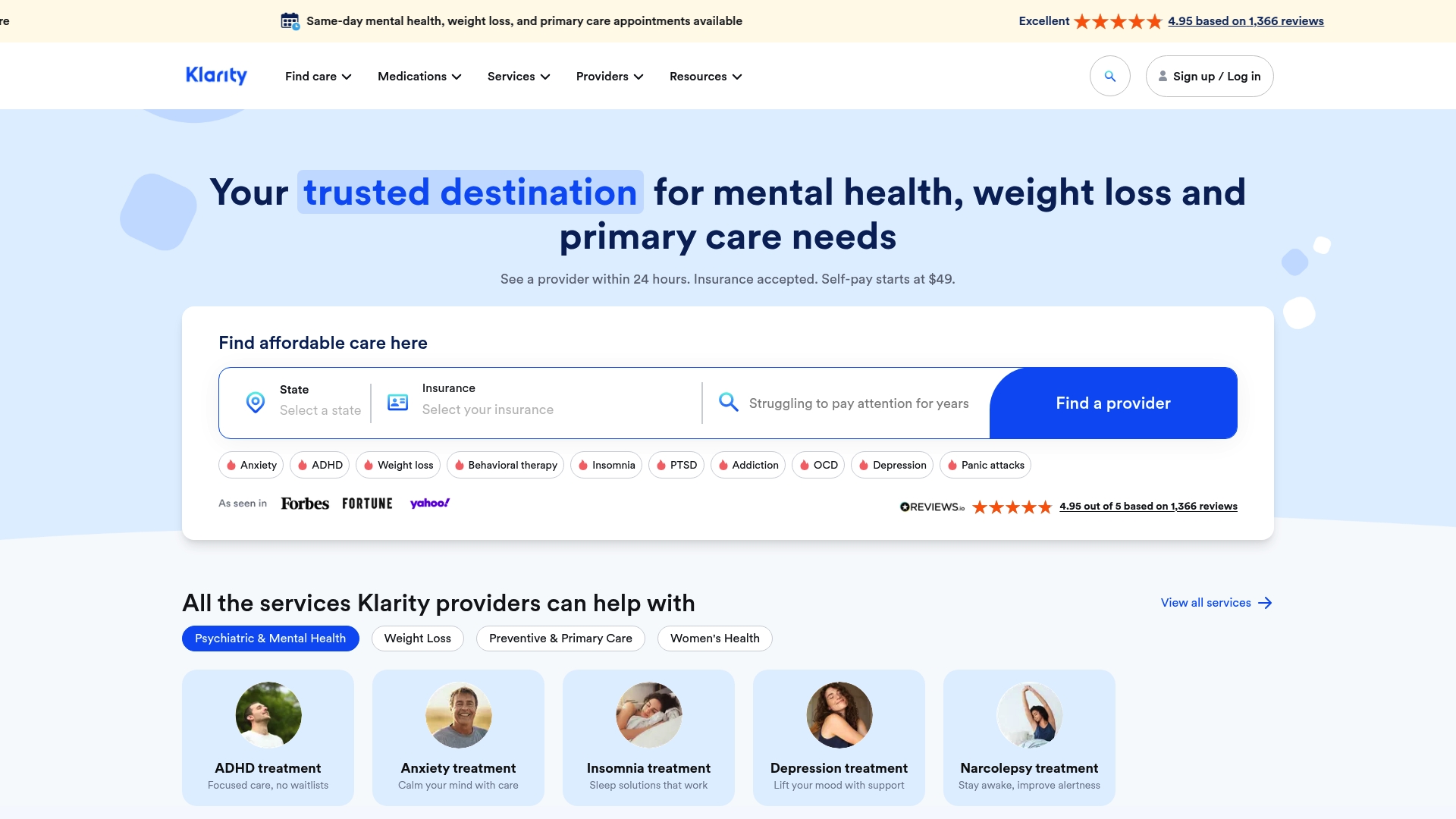
Helloklarity accepts major insurance and health savings accounts, with self-pay options starting at $49. Whether you need a wellness visit, chronic disease follow-up, or a first appointment to establish care, the platform makes it straightforward. Browse available telehealth services to find the right fit for your health needs and start building the primary care relationship that protects your long-term health.
FAQ
What makes primary care the first line of defense?
Primary care is the first point of contact for health concerns, focusing on prevention, early detection, and continuous care. That combination catches problems before they become emergencies and coordinates all other care a patient receives.
How much longer do people with primary care live?
Older adults with a usual source of primary care live a median 2.1 years longer than those without, after adjusting for demographics and clinical factors.
Does primary care actually reduce healthcare costs?
Healthcare costs decrease by nearly 15% for every 10% increase in a patient’s continuity score with their primary care provider, primarily by preventing avoidable emergency visits and hospitalizations.
What is the difference between primary care and urgent care?
Primary care provides ongoing, preventive, and coordinated care based on a long-term patient relationship. Urgent care addresses immediate, episodic issues with no continuity or knowledge of the patient’s history.
How often should you see your primary care provider?
Annual wellness visits are the standard recommendation for most adults, with additional visits based on age, chronic conditions, and individual risk factors identified by your provider.
Recommended
- Primary Care Explained: Benefits, Roles, And Services
- The Role Of Primary Care Physician In Health
- Why Primary Care Reduces Emergency Visits: 2026 Guide
- Common Primary Care Conditions Treated Online: 2026 Guide
Get expert care from top-rated providers
Find the right provider for your needs — select your state to find expert care near you.
Related posts


— Monday to Friday, 7:00 AM to 4:00 PM PST
Join our mailing list for exclusive healthcare updates and tips.

— Monday to Friday, 7:00 AM to 4:00 PM PST



