 HSA & FSA accepted; best-value for top quality care
 Same-day mental health, weight loss, and primary care appointments available

 Accept major insurances and cash-payHSA & FSA accepted; best-value for top quality careSame-day mental health, weight loss, and primary care appointments availableAccept major insurances and cash-pay
How to Get Prescription Weight Loss Medication via Telehealth
Written by Klarity Editorial Team
Published: Jul 4, 2026

Getting prescription weight loss medication through telehealth is a medically supervised process that connects you with licensed providers who can evaluate, prescribe, and monitor FDA-approved obesity treatments without an in-person visit. The clinical term for this category is “obesity pharmacotherapy via telehealth,” and it covers everything from GLP-1 receptor agonists like semaglutide and tirzepatide to older agents like phentermine. Telehealth weight loss programs have made these treatments far more accessible, but the process still requires real medical oversight, lab work, and insurance navigation. This guide walks you through every step so you know exactly what to expect before you start.
How to get prescription weight loss medication via telehealth
Telehealth weight loss prescriptions follow the same clinical standards as in-person obesity medicine. A licensed provider reviews your medical history, orders or reviews labs, confirms eligibility, and then prescribes a medication that fits your health profile. The convenience is real, but the medicine is not shortcuts. Prescription weight loss telehealth platforms that operate correctly require the same documentation a traditional clinic would.
The two main medication categories you will encounter are FDA-approved branded drugs (Wegovy, Ozempic, Mounjaro, Zepbound) and compounded GLP-1 formulations. Branded medications go through insurance, which can dramatically lower your out-of-pocket cost. Compounded versions are typically self-pay and cost less per month upfront, but they carry different regulatory considerations. Knowing which path fits your situation before you enroll saves time and money.

What qualifications do you need for a weight loss prescription?
Eligibility for prescription weight loss medications follows clinical guidelines set by the FDA and major obesity medicine bodies. Most telehealth programs require a BMI of 30 or higher, or a BMI of 27 or higher with at least one weight-related condition such as hypertension, type 2 diabetes, or obstructive sleep apnea. These thresholds exist to ensure safe prescribing and compliance with clinical guidelines.
Before your first appointment, gather the following:
- Recent lab work (within the past 6–12 months): HbA1c, lipid panel, thyroid-stimulating hormone (TSH), and a basic metabolic panel
- Medical history documentation: current medications, prior weight-loss attempts, and any diagnosed conditions
- Insurance information: your plan name, member ID, and formulary details if you want branded medications covered
- Current weight and height: to confirm BMI at intake
Providers use these labs to screen for metabolic barriers that go beyond appetite. Thyroid dysfunction, insulin resistance, and kidney or liver issues all affect which medication is appropriate and at what dose. Skipping labs does not speed up the process. It delays it, because a responsible provider will not prescribe without them.
Pro Tip: Having recent lab results ready before your first appointment can cut your time to prescription from two weeks down to a few days.
Insurance verification is worth doing before you book. Some plans cover branded GLP-1 medications with prior authorization, while others exclude them entirely. Confirming your formulary coverage first prevents the frustration of committing to a program that cannot get your medication covered.
How to choose the right telehealth weight loss program
Not all prescription weight loss telehealth platforms work the same way. The most important distinction is whether a program focuses on insurance-covered branded medications or compounded GLP-1 options. That single difference shapes the cost structure, the clinical process, and the long-term value you get.
Insurance-focused programs vs. compounded medication programs
Programs built around insurance navigation handle prior authorization (PA) packets on your behalf. A strong PA submission includes your BMI, documented comorbidities, evidence of prior weight-loss attempts, and insurance-specific clinical language. Prior authorization approval rates above 70% are achievable for top providers who specialize in this process. That approval can mean the difference between paying $25 a month and paying $1,000 or more out of pocket for branded medications.
Compounded medication programs skip the insurance process entirely. They offer lower upfront costs but no path to insurance reimbursement. For patients without coverage or with plans that exclude GLP-1 drugs, compounded programs can be a practical starting point.
What clinical depth actually means
Clinical depth refers to how thoroughly a provider evaluates you before and during treatment. A questionnaire-only intake is a red flag. Legitimate programs review your full medical history, require recent labs, and schedule follow-up visits to adjust dosing and monitor side effects. Membership models for telehealth weight loss programs range from $99 to $125 per month depending on clinical depth and insurance navigation support.
Some programs charge a flat annual fee. One well-known model charges approximately $1,500 per year for a comprehensive metabolic program that includes coaching and medication navigation, with medication costs billed separately through insurance.
Pro Tip: Verify your insurance formulary coverage before enrolling in any program. Patients who skip this step often regret long-term coaching commitments when they discover their plan does not cover the medication.
Step-by-step process to get a weight loss prescription online
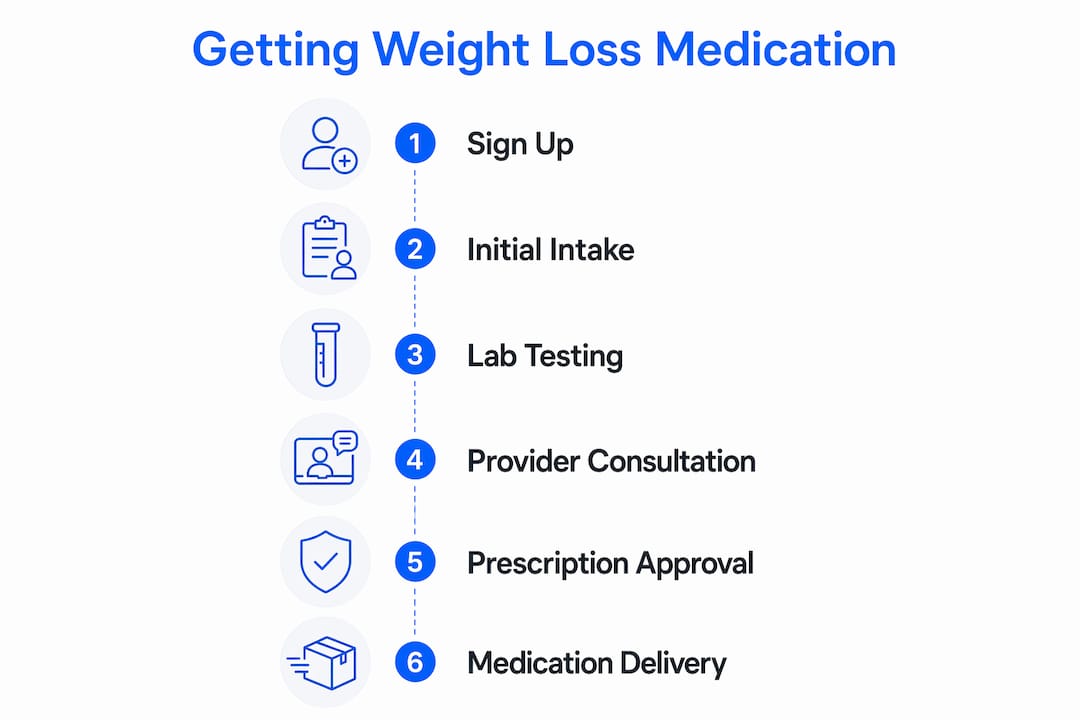
The process from signup to medication in hand typically takes 7–14 days. It moves faster when you have recent labs and verified insurance information ready at intake.
- Complete the intake form. Most platforms start with a detailed health questionnaire covering your weight history, current medications, and relevant conditions. Some require a live video consultation; others use asynchronous review.
- Submit your lab results. Upload recent bloodwork or request a lab order through the platform. Labs typically cover HbA1c, TSH, lipid panel, and basic metabolic panel.
- Attend your medical consultation. A licensed provider reviews your history and labs, confirms eligibility, and recommends a medication and starting dose.
- Handle prior authorization if using insurance. The provider’s team submits a PA packet to your insurer. This step takes 3–10 business days and may require an appeal if initially denied.
- Receive your prescription. Once approved, the prescription goes to a pharmacy (retail or mail-order). Compounded medications ship directly from a compounding pharmacy.
- Begin treatment and schedule follow-ups. Most programs schedule a check-in within 4 weeks to review side effects and adjust dosing.
| Phase | Typical timeline |
|---|---|
| Intake and consultation | 1–3 days |
| Lab submission or ordering | 1–5 days |
| Prior authorization (if applicable) | 3–10 business days |
| Prescription approval and fulfillment | 1–3 days |
| Total (with insurance) | 7–14 days |
The most common mistake patients make is skipping or delaying lab submission. A provider cannot legally prescribe without reviewing your metabolic markers. The second most common mistake is ignoring insurance details until after enrollment, which can leave you paying full price for a medication your plan would have covered.
For a detailed walkthrough of the online prescription process, Helloklarity’s guide on weight loss medication online covers the key steps from consultation to pharmacy fulfillment.
How do telehealth providers monitor your safety during treatment?
Safety monitoring is what separates a legitimate telehealth weight loss program from an online pill mill. A responsible provider does not issue a prescription and disappear. Ongoing clinical oversight is built into the treatment model.
Safety monitoring during telehealth treatment includes monthly virtual check-ins, dose titrations based on tolerance and response, and regular lab testing to track metabolic markers. That cadence matters because GLP-1 medications affect multiple organ systems, not just appetite. Kidney function, liver enzymes, and thyroid levels can all shift during treatment.
A quality provider reviews labs covering thyroid, hormonal, liver, and kidney function to customize treatment safely. This is not bureaucratic box-checking. It is how providers catch problems early, like a patient whose weight plateau is caused by undiagnosed hypothyroidism rather than medication failure.
“Legitimate programs require comprehensive medical history and recent lab work before prescribing weight loss medications. Beware of platforms that issue prescriptions after minimal questionnaires, lacking proper medical oversight and lab tests.”
Red flags that signal inadequate oversight include:
- No lab requirement before prescribing
- No follow-up visits scheduled after the first prescription
- Dose increases without clinical review
- No licensed physician or nurse practitioner listed on the platform
Programs that monitor multiple metabolic factors deliver better outcomes than those focused solely on appetite suppression. The clinical data from ongoing labs also helps providers personalize treatment rather than applying a one-size-fits-all protocol.
Key Takeaways
Telehealth delivers legitimate, medically supervised access to prescription weight loss medications when you choose a program with real clinical oversight, proper lab requirements, and active insurance navigation.
| Point | Details |
|---|---|
| Eligibility thresholds matter | A BMI of 30+ (or 27+ with a comorbidity) is required to qualify for prescription weight loss medications. |
| Labs are non-negotiable | HbA1c, TSH, lipid panel, and basic metabolic panel are standard prerequisites before any prescription is issued. |
| Insurance navigation drives value | Programs with strong prior authorization support can save patients thousands on branded FDA-approved medications. |
| Timeline is predictable | Most patients receive their medication within 7–14 days when labs and insurance details are ready at intake. |
| Ongoing monitoring is the standard | Monthly check-ins and regular lab testing are required features of any safe telehealth weight loss program. |
What I have learned about telehealth weight loss programs after years in this space
The single biggest mistake I see patients make is choosing a program based on price alone. A $99-per-month membership looks attractive until you realize the provider submits generic prior authorization packets with a low approval rate, and you end up paying full retail for a medication that should have been covered.
The programs worth your time are the ones that treat insurance navigation as a clinical service, not an afterthought. A well-built PA packet, tailored to your specific insurer’s formulary requirements, is genuinely more valuable than a discount on the membership fee. I have seen patients save thousands annually because their provider knew how to write an appeal that worked.
My other strong opinion: avoid any platform that does not require labs before prescribing. I understand the appeal of a fast, questionnaire-only process. But a provider who prescribes without reviewing your thyroid, kidney, and metabolic markers is not practicing medicine. They are running a transaction. That distinction matters for your safety and for the long-term effectiveness of your treatment.
Lifestyle coaching integrated into a telehealth program adds real value, but only after you have confirmed your medication is covered and your labs are in order. Commit to coaching after you have the clinical foundation in place, not before.
— Guorui
Helloklarity connects you with licensed weight loss providers
Helloklarity gives you same-day access to licensed providers who specialize in weight loss and can evaluate you for prescription medications through a fully virtual process.
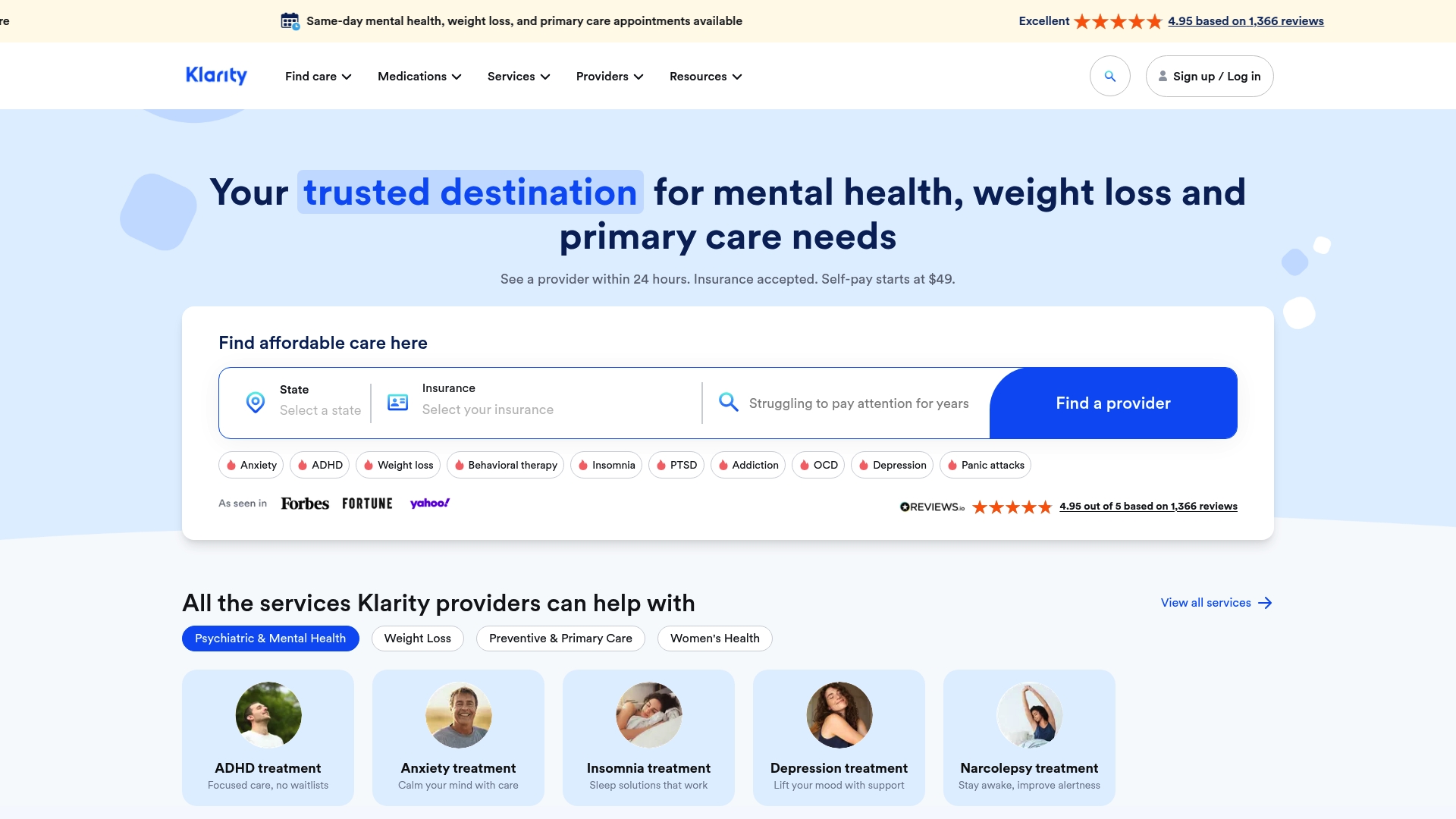
The platform’s network of over 1,000 licensed providers covers weight loss, primary care, and mental health, with appointments available within 24 hours. Self-pay options start at $49, and Helloklarity accepts major insurance and health savings accounts. If you are ready to take the next step, the Helloklarity weight loss program connects you with a provider who can review your eligibility, manage your labs, and handle insurance navigation. You can also browse providers by state to find a licensed clinician in your area.
FAQ
What BMI do I need to get a weight loss prescription via telehealth?
Most telehealth programs require a BMI of 30 or higher, or a BMI of 27 or higher with a qualifying condition such as hypertension or type 2 diabetes. These thresholds align with FDA clinical guidelines for obesity pharmacotherapy.
How long does it take to get weight loss medication through telehealth?
The process typically takes 7–14 days from signup to medication receipt. Having recent lab results and insurance information ready at intake shortens that timeline significantly.
Does insurance cover telehealth weight loss prescriptions?
Some insurance plans cover branded GLP-1 medications like Wegovy or Zepbound with prior authorization. Coverage varies by plan, so verifying your formulary before enrolling in a program is the most important first step.
What labs do I need before getting a weight loss prescription?
Standard labs include HbA1c, a lipid panel, TSH, and a basic metabolic panel. These tests help providers screen for thyroid dysfunction, metabolic issues, and kidney or liver conditions that affect medication safety.
Are telehealth weight loss prescriptions safe?
Yes, when issued by a licensed provider who requires labs, reviews your full medical history, and schedules ongoing follow-up visits. Platforms that prescribe after a short questionnaire without lab requirements do not meet the standard of legitimate medical care.
Recommended
- Weight Loss Medication Online: How To Get A Prescription Through Telehealth | Klarity Health, Inc
- How To Transfer My Wegovy Prescription To Texas | Klarity Health, Inc
- How To Transfer My Wegovy Prescription To New York | Klarity Health, Inc
- How To Transfer My Mounjaro Prescription To Illinois | Klarity Health, Inc
Get expert care from top-rated providers
Find the right provider for your needs — select your state to find expert care near you.
Related posts


— Monday to Friday, 7:00 AM to 4:00 PM PST
Join our mailing list for exclusive healthcare updates and tips.

— Monday to Friday, 7:00 AM to 4:00 PM PST



