 HSA & FSA accepted; best-value for top quality care
 Same-day mental health, weight loss, and primary care appointments available

 Accept major insurances and cash-payHSA & FSA accepted; best-value for top quality careSame-day mental health, weight loss, and primary care appointments availableAccept major insurances and cash-pay
What Does a Primary Care Visit Include?
Written by Klarity Editorial Team
Published: May 25, 2026

Most people walk into a primary care appointment expecting a quick checkup and a prescription, then leave confused about what actually happened. Understanding what does a primary care visit include changes that experience entirely. A well-structured primary care visit covers far more than checking your blood pressure and asking how you feel. It includes intake procedures, a full clinician consultation, physical examination, preventive screenings, and a personalized care plan. Knowing what to expect before you arrive helps you prepare, ask better questions, and get real value from every appointment.
Table of Contents
- Key takeaways
- What does a primary care visit include at intake
- The clinician consultation: history, symptoms, and lifestyle
- Physical examination: what your provider is actually checking
- Preventive care, screenings, and lab tests
- Post-visit care planning and follow-up steps
- My take on getting real value from primary care
- Ready to take control of your health with Helloklarity
- FAQ
Key takeaways
| Point | Details |
|---|---|
| Intake comes first | Arrive early to complete paperwork covering medical history, lifestyle, allergies, and emergency contacts. |
| Consultation drives your care | Your provider reviews medications, symptoms, and lifestyle to build a personalized health plan. |
| Physical exam varies by patient | Exam scope depends on your age, sex, symptoms, and reason for the visit. |
| Not all labs happen same-day | Screenings and blood tests are often scheduled after the visit based on your health profile. |
| Post-visit planning matters | Leave with a clear care plan including follow-ups, referrals, and any recommended lifestyle adjustments. |
What does a primary care visit include at intake
Before you ever see your provider, the visit has already begun. Arriving 10 to 15 minutes before your scheduled appointment time gives you enough space to handle check-in without rushing.
The front desk will confirm your insurance, collect any required copays, and hand you intake forms. Those forms are more detailed than most people expect. Intake paperwork covers your medical history, lifestyle habits, allergies, and emergency contacts, and on a first visit you may also fill out forms about your family health history and any medications you currently take.
Once you’re called back, a nurse or medical assistant records your vital signs before the provider enters. Standard measurements include:
- Height and weight (used to calculate BMI and track trends over time)
- Blood pressure and heart rate
- Body temperature
- Oxygen saturation using a pulse oximeter
These numbers do more than fill a chart. They give your provider a baseline and can signal problems that haven’t caused symptoms yet. A mildly elevated blood pressure reading with no symptoms, for example, might prompt a different conversation than the one you planned.
Pro Tip: Bring a printed or digital list of all medications, vitamins, and supplements you currently take, including doses. This one step speeds up the entire visit and prevents medication errors down the line.
If you’ve had recent bloodwork, imaging, or specialist visits, bring those records or request them be sent in advance. Providers can only act on information they have in front of them.
The clinician consultation: history, symptoms, and lifestyle
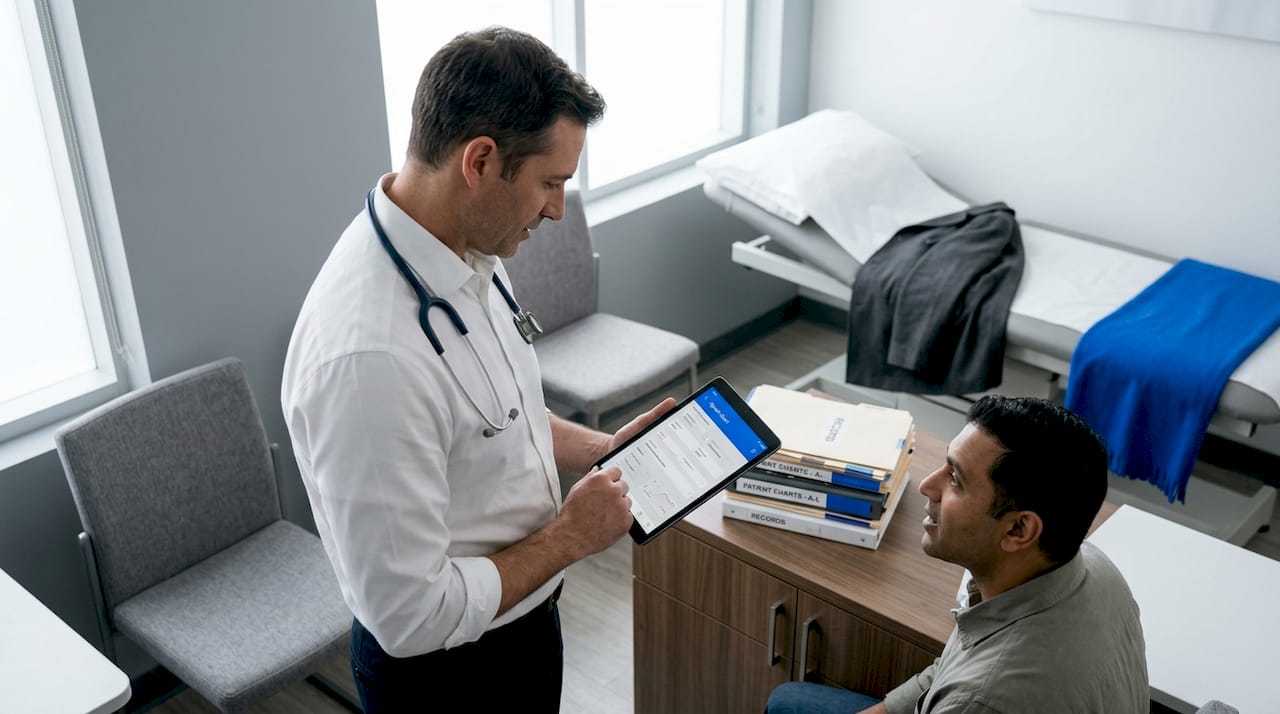
This is the core of the appointment and the part most people underestimate. When your provider enters the room, they are not just asking questions to fill time. Providers use your history and lifestyle information to guide personalized care decisions, so every answer matters.
Medical and family history review
Your provider will review or update your personal medical history, including past diagnoses, surgeries, and hospitalizations. Family history carries real weight here. A parent with early-onset heart disease or a sibling with diabetes changes which screenings and interventions your provider might prioritize.
Medication reconciliation
Medication reviews covering prescribed drugs and supplements are standard practice at every visit. This process, called reconciliation, confirms you are still taking what is on file, at the correct doses, and flags any potential drug interactions. If you’ve started or stopped anything since your last visit, say so directly. You can also explore how telehealth prescription renewals work if you need refills between in-person visits.
Symptom discussion and lifestyle evaluation
Your provider will ask about any current symptoms or concerns. Even minor ones you have been dismissing deserve mention. Primary care connects symptoms with broader risk profiles and lifestyle factors to build plans that actually fit your life.
Lifestyle questions typically cover:
- Diet and eating patterns
- Physical activity frequency and type
- Sleep quality and duration
- Stress levels and mental health
- Tobacco, alcohol, and substance use
These are not judgment calls. They are clinical data points. A provider who knows you get poor sleep and high stress at work will approach your elevated blood pressure very differently than one who doesn’t.
Pro Tip: Write down your top two or three concerns before the appointment. Most visits run 20 to 30 minutes, and having your priorities ready prevents you from leaving without addressing what mattered most.
Physical examination: what your provider is actually checking
The physical exam follows the consultation, and its scope shifts depending on who you are and why you came in. A 28-year-old with no chronic conditions getting an annual checkup will have a different exam than a 62-year-old managing hypertension and diabetes.
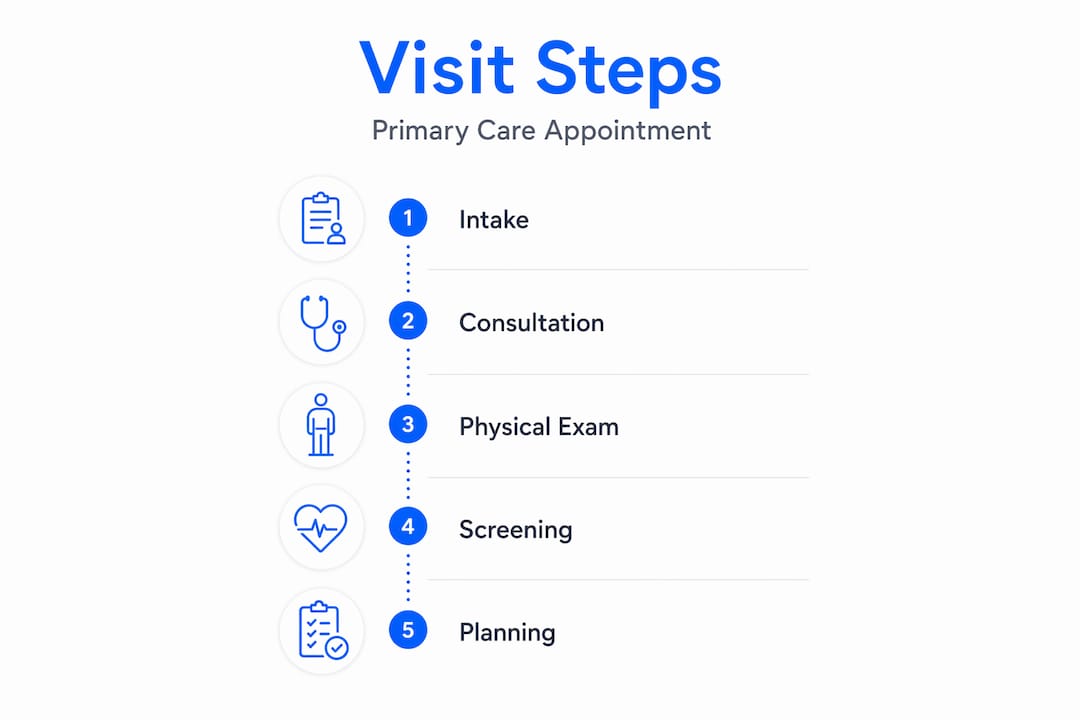
Exams typically focus on major body systems, with variation based on patient age, sex, medical history, and visit purpose. Here is a practical breakdown of common components:
| Exam Component | What the Provider Is Checking |
|---|---|
| Heart auscultation | Irregular rhythms, murmurs, or abnormal sounds |
| Lung auscultation | Air movement, wheezing, crackling, or fluid sounds |
| Abdominal palpation | Organ size, tenderness, or masses |
| Neurological reflexes | Nerve response and basic motor function |
| Skin observation | Moles, lesions, rashes, or changes in texture |
| Lymph node check | Signs of infection or abnormal swelling |
Your provider may also perform focused exams based on your specific concerns. A visit about persistent headaches will include a more detailed neurological check. A concern about joint pain shifts attention to musculoskeletal testing.
One thing many patients don’t realize: the physical exam is also about establishing a baseline. Your provider is tracking changes over time, not just looking for acute problems. A slight change in a reflex test or a new skin lesion found during a routine visit can catch something early, when treatment options are broadest.
Preventive care, screenings, and lab tests
Preventive care is where primary care delivers the most long-term value, yet it’s also the most misunderstood component. Patients often expect every screening and lab test to happen during a single visit. That is rarely how it works.
Not every preventive visit includes all tests at one appointment. Screenings and lab orders depend on your individual history, risk factors, and what’s already been done recently.
Common screenings that may be discussed or initiated include:
- Blood pressure monitoring: Standard at every in-office visit
- Cholesterol and lipid panel: Typically recommended every 4 to 6 years for average-risk adults, more often if you have cardiac risk factors
- Blood sugar and A1C: Ordered if you show risk factors for diabetes or prediabetes
- Cancer screenings: Colorectal, breast, cervical, and lung screenings are recommended based on age and personal risk
- Mental health evaluations: Depression and anxiety screenings are increasingly standard in primary care
Preventive care planning includes age-specific and risk-based screenings, labs, and immunizations. Your provider may also check which vaccinations are due, including flu, tetanus, shingles, or pneumococcal vaccines depending on your age.
One important distinction: if you are on Medicare, the Annual Wellness Visit operates differently. Medicare Annual Wellness Visits focus on preventive planning and history updates without mandatory physical exams or routine labs, which are ordered separately when clinically needed. Knowing this prevents frustration if you expected a full physical and received something more focused on planning.
Post-visit care planning and follow-up steps
The last few minutes of your visit are often the most practical, and the most rushed. Pay close attention here. Visits typically conclude with a personalized care plan covering screenings, lifestyle recommendations, medications, and follow-up scheduling.
Here is what that usually looks like in practice:
- Care plan summary: Your provider recaps key findings and what they mean for your health going forward.
- Lab orders: If bloodwork was not done before the visit, you may receive orders to complete at a lab within the coming days or weeks.
- Prescription adjustments: Medications may be started, changed, or discontinued based on the visit discussion.
- Specialist referrals: If a concern falls outside primary care scope, you’ll receive a referral with context about what to expect.
- Lifestyle recommendations: Specific, realistic changes to diet, activity, sleep, or stress management may be outlined.
- Follow-up scheduling: Your provider will recommend when to return, whether that’s in six weeks to recheck blood pressure or in a year for a routine wellness visit.
Before you leave, ask one clarifying question if anything is unclear: What is the most important thing I should do before my next visit? It focuses the conversation and leaves you with something concrete to act on.
For ongoing prescription management between visits, understanding how telehealth doctor visits work can help you stay on track without waiting for your next in-person appointment.
My take on getting real value from primary care
From what I’ve seen, the biggest thing patients get wrong about primary care is treating it like an errand. Show up, get checked, leave. That approach leaves a lot on the table.
I’ve found that the patients who get the most from their visits come prepared. Not over-prepared with a 20-item list, but focused. They know their medications, they’ve thought about what’s actually bothering them, and they’re willing to answer lifestyle questions honestly. That last part matters more than most people think. A provider who gets a sanitized version of your diet and sleep habits can only work with what you give them.
The other thing I’d flag is the tendency to pile a new acute problem onto a scheduled wellness visit and expect it all to get resolved. Mixing preventive care with a new acute evaluation often requires separate visits or additional tests, and patients sometimes leave frustrated when their annual physical turned into something incomplete. Call ahead or mention the new issue when you schedule so the clinic can allocate the right amount of time.
Finally, primary care works best as a relationship, not a transaction. The more context your provider has about your history, habits, and concerns, the better every decision they make about your health will be. That takes time and consistency, but it’s worth it.
— Guorui
Ready to take control of your health with Helloklarity
If your primary care visit left you with follow-up needs, medication questions, or a gap before your next appointment, Helloklarity can help fill that space. Klarity Health connects you with licensed providers through a telehealth platform built for speed and affordability. Same-day appointments are available, and telehealth services cover primary care needs including medication management, chronic care support, and preventive health counseling.
With self-pay options starting at $49 and major insurance accepted, Helloklarity makes it practical to stay on top of your health between in-person visits. Whether you need a prescription reviewed, a follow-up consultation, or a first appointment, affordable care is available now through a network of more than 1,000 licensed providers.
FAQ
What does a typical primary care visit include?
A primary care visit includes intake paperwork, vital signs measurement, a clinician consultation covering medical history and lifestyle, a physical examination, and a personalized care plan. Preventive screenings and lab orders may also be part of the visit depending on your age, health history, and risk factors.
How long does a primary care appointment usually take?
Most primary care appointments run between 20 and 40 minutes. First-time visits tend to take longer because of the additional history-taking and intake paperwork required to establish your health baseline.
Do I need lab work done before or during my visit?
Lab work timing depends on your provider and health situation. Some clinics order labs before the appointment so results are ready to discuss. Others order labs at the end of the visit for completion at a separate lab location within the following days.
What should I bring to a primary care appointment?
Bring a current list of all medications, vitamins, and supplements with their doses, a photo ID and insurance card, any recent test results or specialist notes, and a written list of your top health concerns or questions.
Is a primary care visit the same as an annual physical?
Not always. An annual physical focuses on preventive care and wellness assessment. A primary care visit can also address acute concerns, chronic condition management, or medication reviews. If you have a specific problem to address, mention it when scheduling so your provider can plan the appointment appropriately.
Recommended
- Online Doctor Visit: How Telehealth Works, What To Expect, And How To Start | Klarity Health, Inc
- Klarity Starter Pass | Get Telehealth Visit for $109
- Telehealth Narcolepsy Prescribing: What Psychiatric NPs Can Do In California | Klarity Health, Inc
- Klarity: Safe, Affordable and Personalized Healthcare
Get expert care from top-rated providers
Find the right provider for your needs — select your state to find expert care near you.
Related posts






— Monday to Friday, 7:00 AM to 4:00 PM PST
Join our mailing list for exclusive healthcare updates and tips.

— Monday to Friday, 7:00 AM to 4:00 PM PST



