 HSA & FSA accepted; best-value for top quality care
 Same-day mental health, weight loss, and primary care appointments available

 Accept major insurances and cash-payHSA & FSA accepted; best-value for top quality careSame-day mental health, weight loss, and primary care appointments availableAccept major insurances and cash-pay
How to Manage Chronic Conditions via Telehealth
Written by Klarity Editorial Team
Published: Jun 6, 2026

Managing chronic conditions via telehealth means using video appointments, remote monitoring devices, and secure messaging to track and control your health without leaving home. Over 50% of Americans live with at least one chronic condition, making accessible, continuous care a daily necessity rather than a convenience. Telehealth, the industry’s standard term for remote clinical services, covers everything from a video call with your cardiologist to a Bluetooth-connected glucose meter that sends readings directly to your care team. The result is a model where your health data moves to your provider, not the other way around.
How to manage chronic conditions via telehealth: what it actually involves
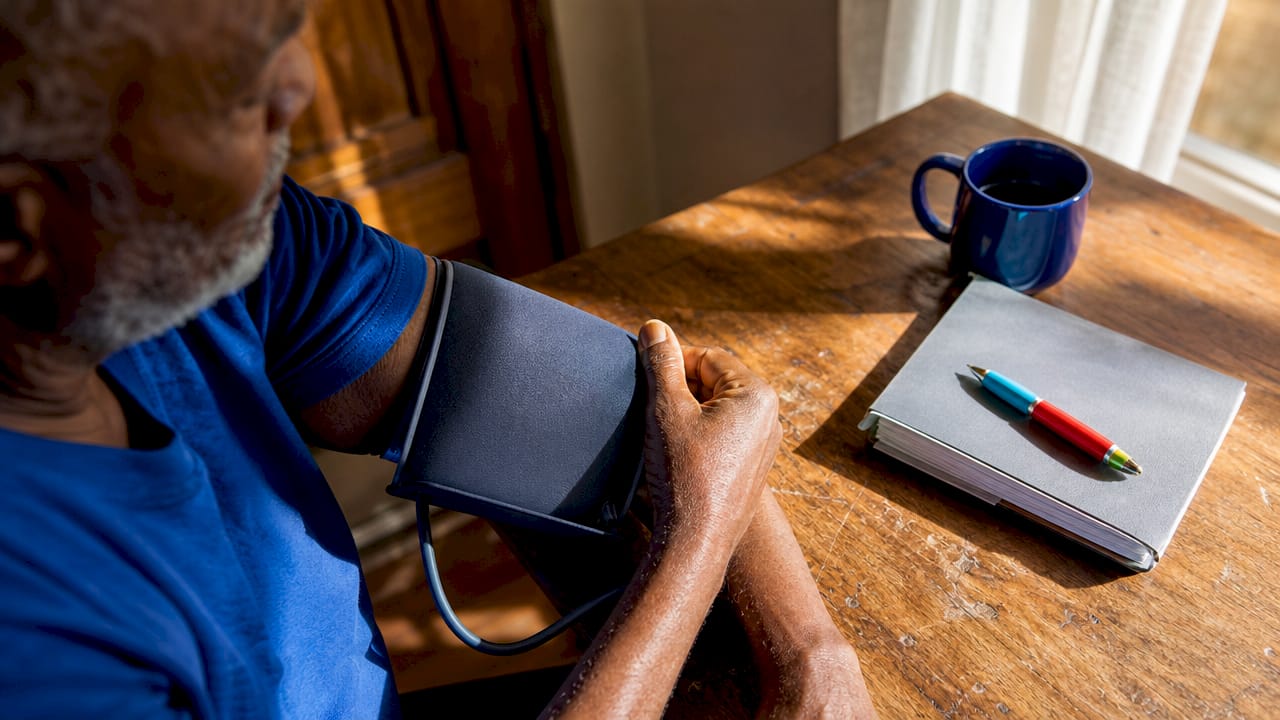
Telehealth for chronic illness is not a single service. It is a set of modalities working together: video consultations, asynchronous secure messaging, and remote patient monitoring (RPM) devices that collect biometric data between visits. Virtual care reduces geographical barriers and waiting times while improving patient engagement for conditions like diabetes, hypertension, heart failure, and COPD. That matters because chronic disease management online requires consistency. Missing a week of blood pressure readings or skipping a follow-up call can let a manageable problem become an acute one.
The three core modalities each serve a distinct purpose. Video visits replicate the clinical conversation. RPM devices provide continuous physiological data. Secure messaging fills the gaps between appointments, letting you report a new symptom or ask about a medication side effect without scheduling a full visit. Together, they create a care loop that traditional office-based medicine rarely achieves.
What tools and technology you need for effective remote monitoring
Getting set up for chronic disease management online requires the right hardware, software, and a stable connection. The list is shorter than most people expect.
Core hardware you need:
- A smartphone, tablet, or computer with a working camera and microphone
- Condition-specific RPM devices: a validated blood pressure cuff (such as Omron or Withings models), a continuous glucose monitor (CGM) like Dexcom G7 or Abbott FreeStyle Libre, or a pulse oximeter for respiratory conditions
- A reliable broadband or 4G/5G connection with at least 10 Mbps download speed for stable video
Software and platforms:
- A HIPAA-compliant telehealth platform (your provider will specify which one, such as Zoom for Healthcare, Doxy.me, or a health system’s proprietary portal)
- Your RPM device’s companion app, which syncs readings to your provider’s electronic health record (EHR)
- A patient portal account, such as MyChart, for reviewing lab results and messaging your care team
Data security basics:
Use a private Wi-Fi network rather than public hotspots for all telehealth visits. Enable two-factor authentication on your patient portal. Ask your provider which platform they use and confirm it is HIPAA-compliant before sharing any health information.
Pro Tip: Test your internet, camera, and microphone at the exact location where you plan to take your visit, not just at your desk. A bedroom with poor Wi-Fi signal can turn a productive appointment into a frustrating dropout session.
| Tool | Purpose |
|---|---|
| Validated blood pressure cuff | Tracks hypertension between visits and sends data to your provider |
| Continuous glucose monitor | Provides real-time glucose trends for diabetes management |
| Pulse oximeter | Monitors oxygen saturation for COPD, asthma, or heart failure |
| HIPAA-compliant video platform | Enables secure, face-to-face clinical consultations remotely |
| Patient portal (e.g., MyChart) | Centralizes lab results, messaging, and appointment scheduling |
How to use telehealth step by step for ongoing chronic care
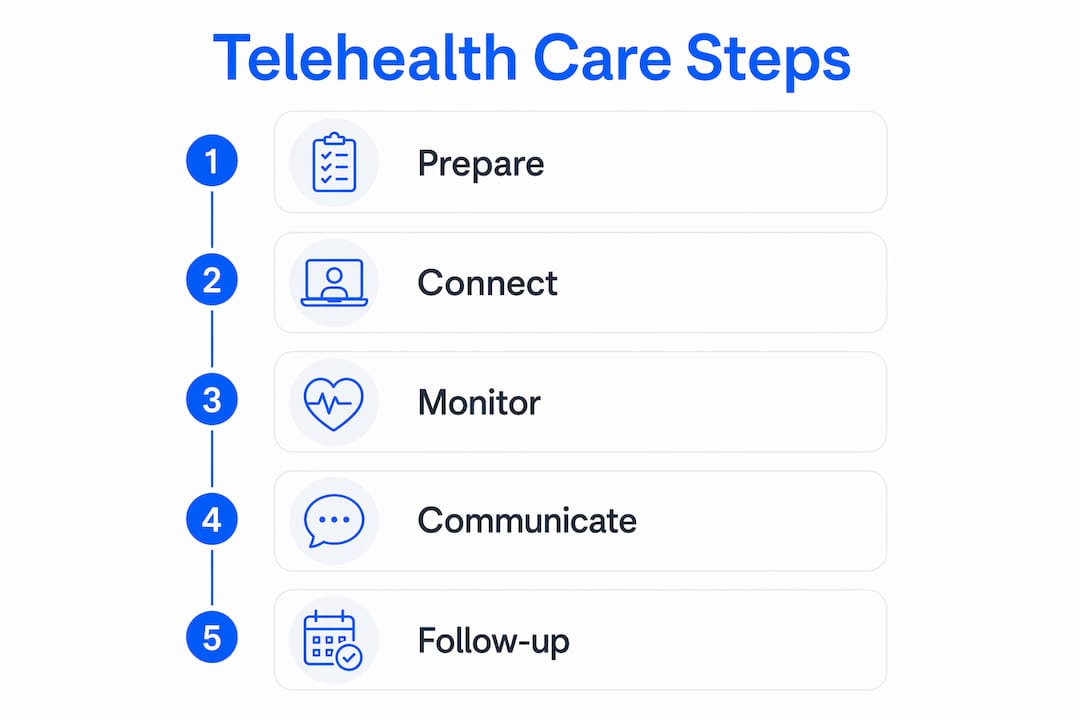
A structured workflow separates patients who get real value from telehealth from those who find it frustrating. Follow these steps to make every virtual visit count.
Schedule with intention. Book your video visit at a time when you can be in a quiet, well-lit space. Confirm the platform your provider uses and download any required app at least 24 hours in advance.
Prepare your health data. Before the appointment, list your current medications, dosages, and any recent changes. Pull the last two weeks of readings from your RPM device app. Write down three to five specific questions or symptom changes you want to address.
Upload or sync your monitoring data. Most CGMs and blood pressure cuffs sync automatically to a companion app, which your provider can access through the EHR. If your device does not sync automatically, screenshot or export your readings and attach them to a secure message before the visit.
Conduct the video consultation. Speak directly to your symptoms, your numbers, and your questions. Providers in a telehealth setting rely more heavily on what you report, so precision matters. If your blood pressure spiked three times last week, say when and under what circumstances.
Use secure messaging between visits. Do not wait for your next scheduled appointment to report a new symptom. Most telehealth platforms include a messaging function. A brief note about unexpected fatigue or a medication reaction gives your provider the chance to intervene before a problem escalates.
Know your thresholds. Ask your care team to define the specific numbers that should trigger an immediate call or an urgent visit. For a hypertension patient, that might be a systolic reading above 180 mmHg. For a diabetic patient, it might be a fasting glucose above 300 mg/dL.
Request hybrid care when the situation calls for it. Hybrid models combining virtual check-ins with in-person visits maximize both convenience and clinical accuracy. A physical exam, blood draw, or imaging study cannot be replicated on a screen.
Pro Tip: Keep a simple health log in a notes app or a printed sheet. Date, reading, and one-line context (“blood pressure 152/94, took reading after stressful call”) gives your provider far more useful information than a raw number alone.
What are virtual nurse interventions and how do they help?
Virtual nurse interventions represent one of the most significant developments in telehealth for chronic illness in 2026. A virtual nurse is an AI-driven, anthropomorphic avatar that uses voice communication, facial expressions, and vocal intonation to deliver personalized patient education and emotional support between clinical visits. These are not simple chatbots. They are designed to feel like a conversation with a knowledgeable, empathetic care partner.
The evidence base is building. Studies show that virtual nurse interventions running from 30 days to 12 months improve disease knowledge, psychological well-being, and patient satisfaction. That is a meaningful finding because chronic disease self-management depends heavily on patient understanding and motivation, two factors that a quarterly office visit cannot sustain alone.
Here is what virtual nurses currently do well:
- Deliver condition-specific education at the patient’s own pace
- Send medication reminders and flag missed readings
- Provide emotional support and reduce anxiety between appointments
- Reinforce behavioral goals like dietary changes or exercise targets
- Escalate concerns to a human provider when responses suggest a clinical issue
The limitations are real. Virtual nurse technology is still evolving, and not every platform has integrated it. Patient comfort with AI interaction varies significantly by age and digital literacy. The technology works best as a supplement to human care, not a replacement.
“The goal of virtual nurse interventions is not to replace the clinician but to extend the reach of the care team into the patient’s daily life, where chronic disease is actually lived and managed.”
Common challenges and expert tips for telehealth success
The most common reason patients underuse telehealth for chronic illness is not technology aversion. It is a lack of preparation and clear expectations. Telehealth reduces barriers to care, but it requires synchronization with healthcare systems and attention to digital literacy gaps to deliver its full benefit.
Technical readiness is non-negotiable. Test your device, camera, microphone, and internet connection before every visit. A failed connection mid-appointment wastes your provider’s time and yours.
Track the right metrics. Not every reading matters equally for your condition. A patient managing heart failure needs daily weight measurements and blood pressure readings. A patient managing Type 2 diabetes needs fasting glucose and post-meal glucose trends. Ask your provider to give you a written list of what to track and at what frequency.
Communicate with precision. Vague symptom descriptions (“I feel off”) are harder to act on than specific ones (“I’ve had shortness of breath climbing one flight of stairs for the past four days”). The more specific your report, the more useful your provider’s response.
Do not skip follow-ups. RPM is most effective when integrated into continuous care models with defined clinical workflows. Sporadic engagement breaks the data continuity your care team depends on.
Pro Tip: If you are managing multiple chronic conditions, consider asking your provider about a care coordinator or patient navigator who can help you track appointments, medications, and monitoring schedules across specialties. This role exists in many telehealth-integrated health systems and is often covered by insurance.
Pro Tip: Post-discharge telehealth follow-ups combined with RPM reduce avoidable hospital readmissions for high-risk patients. If you have recently been discharged for a chronic condition flare, ask your care team to set up a telehealth check-in within 48 to 72 hours.
Key takeaways
Managing chronic conditions via telehealth requires the right devices, a structured workflow, and active engagement with your care team through video, RPM, and secure messaging.
| Point | Details |
|---|---|
| Use the right RPM devices | Match monitoring tools to your condition: CGMs for diabetes, validated cuffs for hypertension. |
| Prepare before every visit | Bring medication lists, recent readings, and specific questions to each video appointment. |
| Know your alert thresholds | Ask your provider for exact numbers that should trigger an urgent call or in-person visit. |
| Leverage virtual nurse tools | AI-driven virtual nurses improve disease knowledge and medication adherence between appointments. |
| Request hybrid care when needed | Combine virtual check-ins with in-person visits for exams, labs, or imaging that screens cannot replace. |
What I’ve learned from watching patients navigate telehealth for chronic care
I have spent years watching the gap between what telehealth promises and what patients actually experience. The technology is not the problem. The problem is that most people approach a telehealth visit the same way they approach a waiting room: passively. They show up, answer questions, and leave without the data, the thresholds, or the follow-up plan that makes remote care actually work.
The patients who get the most out of managing health remotely are the ones who treat themselves as active participants in a clinical workflow, not recipients of it. They sync their devices before the appointment. They send a message when something changes. They ask their provider, “What number should make me call you immediately?” That one question alone has prevented more unnecessary ER visits than any single technology.
Virtual nurse interventions are the piece of this picture I find most underestimated. Most people dismiss them as glorified reminders. But the research showing improvements in disease knowledge and psychological well-being over 12-month periods is not trivial. Chronic disease is exhausting. Having a system that checks in, reinforces what you know, and flags what looks wrong between appointments addresses a real gap that a quarterly video call cannot fill.
My honest concern is digital literacy. Telehealth for chronic illness works best for patients who are already comfortable with technology and have stable internet access. For patients who are older, less tech-confident, or in rural areas with poor connectivity, the burden of setup can outweigh the benefit. Health systems and telehealth platforms need to invest in onboarding support, not just app downloads. Until that gap closes, hybrid models remain the most equitable option for most patients.
— Guorui
How Helloklarity supports your chronic condition care
If you are ready to take your chronic condition management online, Helloklarity connects you with licensed providers who specialize in primary care, mental health, and weight management, all accessible the same day you book.
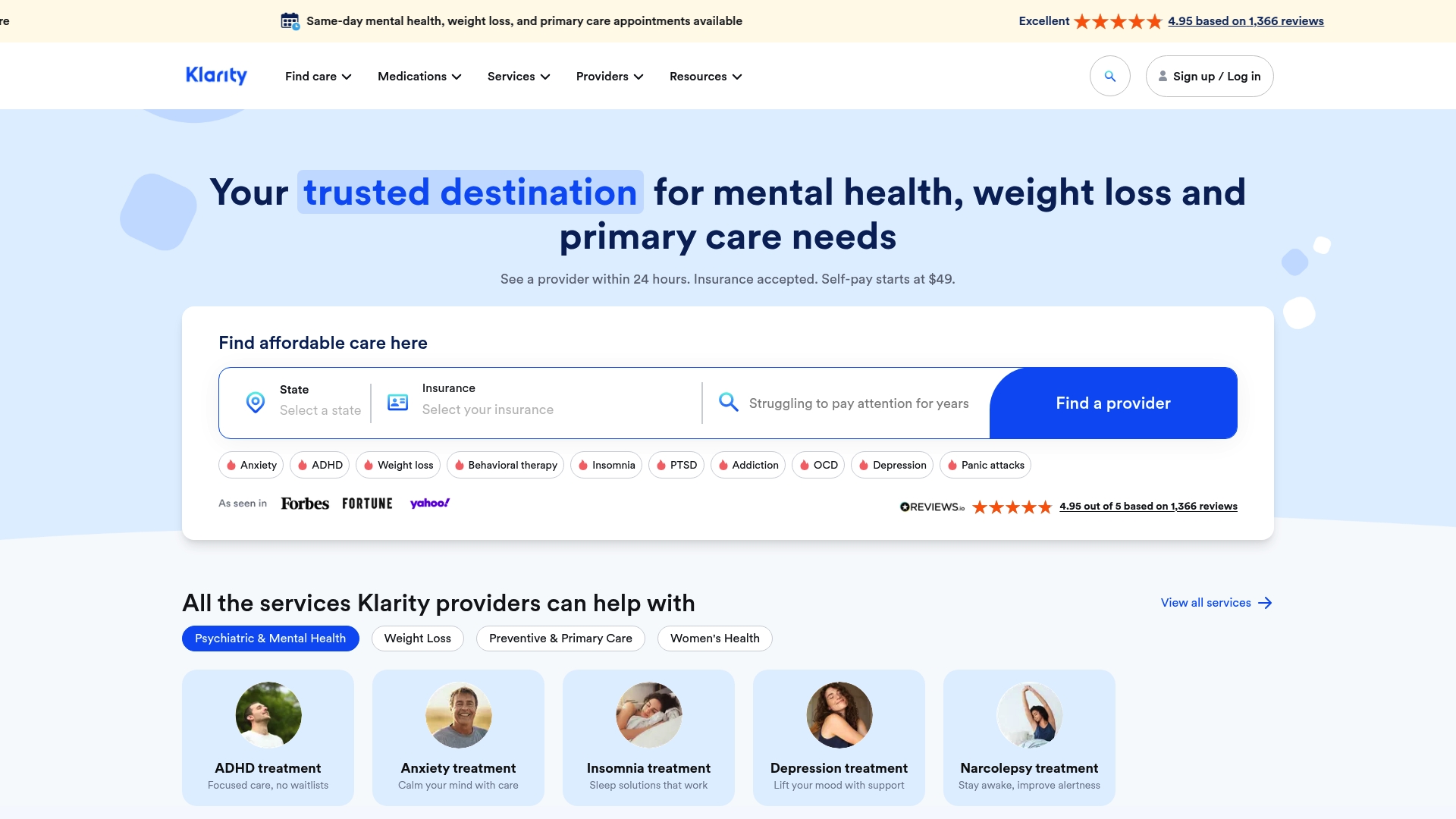
Helloklarity’s network of over 1,000 licensed providers means you are not waiting weeks for an appointment that fits your schedule. Self-pay options start at $49, and the platform accepts major insurance and health savings accounts. Whether you need ongoing primary care telehealth services for a condition like hypertension or diabetes, or you want to explore what telehealth services are available for your specific needs, Helloklarity makes the first step straightforward. Book your visit today and see a provider within 24 hours.
FAQ
What chronic conditions can be managed via telehealth?
Telehealth is effective for managing diabetes, hypertension, heart failure, COPD, asthma, mental health conditions, and obesity, among others. Video visits, remote monitoring, and secure messaging support ongoing care for most conditions that do not require hands-on physical examination at every visit.
What devices do I need for remote patient monitoring?
The devices you need depend on your condition. Common RPM tools include validated blood pressure cuffs, continuous glucose monitors like Dexcom G7 or Abbott FreeStyle Libre, and pulse oximeters. Your provider will specify which devices are clinically appropriate for your situation.
How do I prepare for a telehealth visit for a chronic condition?
Prepare by listing your current medications, recent monitoring readings, and specific questions before the appointment. Test your camera, microphone, and internet connection at the location of your visit at least 30 minutes in advance.
Are virtual nurse interventions effective for chronic disease management?
Research shows that virtual nurse programs running up to 12 months improve disease knowledge, psychological well-being, and patient satisfaction. They work best as a supplement to human clinical care, not as a standalone solution.
When should I combine telehealth with in-person visits?
Request an in-person visit when you need a physical exam, blood draw, imaging, or when your symptoms are worsening despite remote management. Hybrid care models that combine virtual and in-person care based on clinical need produce the best outcomes for most chronic condition patients.
Recommended
- Types Of Primary Care Telehealth Services In 2026
- Telehealth Depression Prescribing: What Psychiatrists Can Do In Texas | Klarity Health, Inc
- What Telehealth Services Can I Get Online? Medical Guide
- Telehealth Depression Prescribing: What Psychiatrists Can Do | Klarity Health, Inc
Get expert care from top-rated providers
Find the right provider for your needs — select your state to find expert care near you.
Related posts






— Monday to Friday, 7:00 AM to 4:00 PM PST
Join our mailing list for exclusive healthcare updates and tips.

— Monday to Friday, 7:00 AM to 4:00 PM PST



