 HSA & FSA accepted; best-value for top quality care
 Same-day mental health, weight loss, and primary care appointments available

 Accept major insurances and cash-payHSA & FSA accepted; best-value for top quality careSame-day mental health, weight loss, and primary care appointments availableAccept major insurances and cash-pay
How to Get ADHD Medication Prescribed Online
Written by Klarity Editorial Team
Published: May 28, 2026

If you’ve been sitting on a six-week waitlist for a psychiatrist while your focus, sleep, and work performance fall apart, you already understand why so many people want to get ADHD medication prescribed online. Telehealth has genuinely changed what’s possible here. Nearly one-third of adults with ADHD have now used telehealth specifically for therapy or medication prescriptions, and that number keeps climbing. This guide walks you through exactly what to prepare, how the process works, what to watch out for, and how to find a provider who can legally and safely prescribe for you.
Table of Contents
- Key takeaways
- How to get ADHD medication prescribed online: what you need first
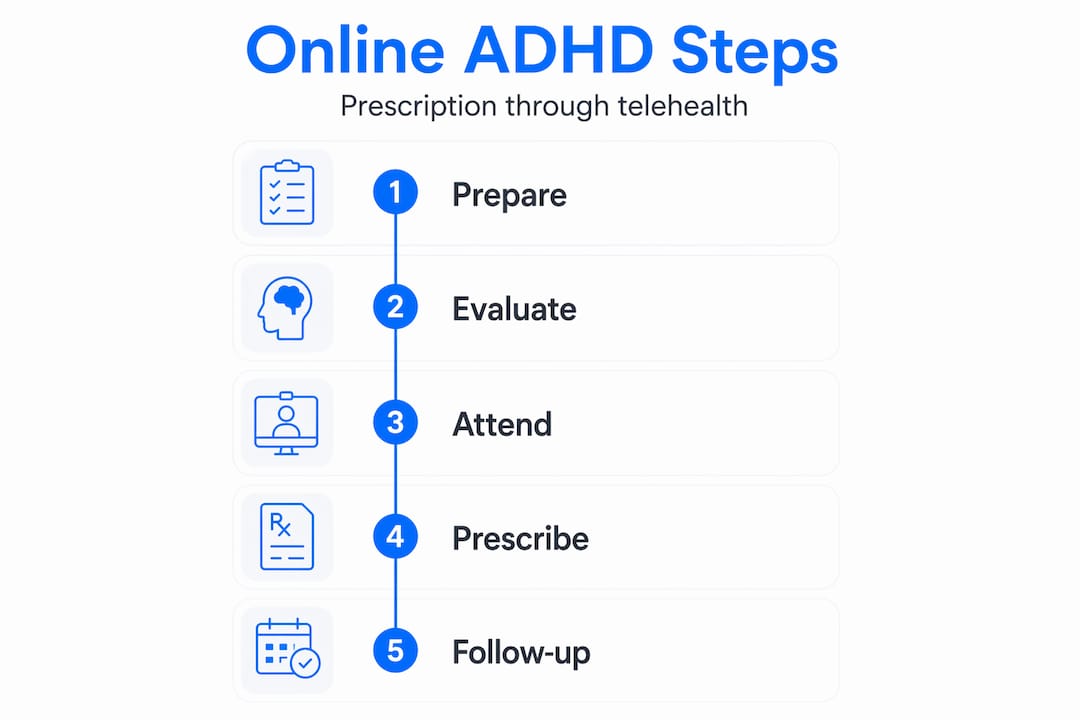
- Step-by-step: getting your prescription through telehealth
- Comparing your online ADHD prescription options
- Common mistakes and safety tips
- What to expect after your first prescription
- My take on telehealth ADHD prescribing
- How Helloklarity can help you start today
- FAQ
Key takeaways
| Point | Details |
|---|---|
| Telehealth prescribing is legal but varies by state | Laws differ on which medications can be prescribed online, so confirm your state’s rules before booking. |
| Preparation speeds up your consultation | Having your medical history, symptoms list, and ID ready can cut your appointment time significantly. |
| Not all providers are equal | Choose platforms with licensed prescribers who require a video evaluation, not just a questionnaire. |
| Follow-up care matters as much as the first prescription | Ongoing check-ins help fine-tune your dosage and catch any side effects early. |
| Costs are more accessible than you think | Some telehealth ADHD consultations start as low as $49, and many platforms accept insurance or HSA payments. |
How to get ADHD medication prescribed online: what you need first
Before you book a single appointment, there are a few things you need to have in place. Skipping this preparation is the most common reason consultations get delayed or denied.
A valid ADHD diagnosis or strong clinical history
You do not always need a full neuropsychological evaluation beforehand, but you do need to walk in prepared. The ASRS-5 screener is a six-item, clinically validated self-report tool that takes about two minutes to complete. It won’t replace your provider’s evaluation, but completing it before your appointment gives you a clear picture of your symptom patterns to discuss. Many telehealth platforms will conduct their own diagnostic intake during the consultation itself.
Understanding the legal landscape
Here’s what surprises most people: not every ADHD medication can be prescribed via telehealth in every state. Stimulant medications like Adderall and Vyvanse are Schedule II controlled substances under federal law. Licensed telehealth providers can prescribe these medications after a thorough evaluation where state law permits it, but the rules are not uniform. For example, prescriber regulations in Texas differ from those in California or Florida, so checking your state’s specific requirements matters.
What to gather before your appointment
- A government-issued photo ID for identity verification
- A list of current medications, supplements, and any known allergies
- Medical records related to previous ADHD diagnoses or treatment, if available
- Notes on specific symptoms: how long they’ve persisted, which situations make them worse, and how they affect work or daily life
- Your pharmacy’s name and location, or a preference for mail-order delivery
Secure telehealth platforms use video consultations and digital records for compliance, so you’ll also need a device with a working camera and a stable internet connection.
Pro Tip: Write down three to five specific examples of how your ADHD symptoms affect your daily functioning before the appointment. Providers respond much better to concrete examples (“I’ve missed four deadlines in two weeks”) than vague descriptions (“I can’t focus”).
Step-by-step: getting your prescription through telehealth
Once you’re prepared, the actual process is straightforward. Here’s how it typically works from start to finish.
Search for a qualified telehealth provider. Look specifically for platforms that employ licensed psychiatrists, nurse practitioners, or physicians with experience prescribing ADHD medication. Generic urgent care telehealth apps are not your best option here. Psychiatry-focused or mental health telehealth services are better suited to this kind of evaluation.
Schedule your ADHD medication online consultation. Most platforms let you book within 24 to 48 hours. Some offer same-day availability. During booking, you’ll fill out an intake form covering your symptoms, medical history, and insurance information. Be thorough here; it sets the stage for a faster consultation.
Attend your video evaluation. This is not optional and should not be skippable. A proper ADHD medication online consultation involves a real conversation with a licensed provider over video. Expect questions about your symptom history, how long you’ve had them, previous treatment attempts, family history, and your current daily functioning. The evaluation usually takes 30 to 60 minutes for a first visit.
Discuss medication options with your provider. If the provider determines medication is appropriate, you’ll talk through options. This may include stimulants like methylphenidate or amphetamine-based medications, or non-stimulants like Strattera or Wellbutrin if stimulants aren’t suitable for you. Ask about expected effects, timelines, and what side effects to watch for.
Receive your prescription and choose a pharmacy. Once issued, your prescription for ADHD online is sent electronically to a pharmacy of your choice. Many services partner with pharmacies that offer prescription delivery or local pickup, with mail-order medications typically arriving within a few days to a week.
Schedule your follow-up. A responsible provider will book a follow-up before you even leave the first appointment. Don’t skip this step.
Pro Tip: If you currently take any medication that affects heart rate or blood pressure, mention it at the start of your consultation. Stimulant ADHD medications can interact with several common drugs, and flagging this early prevents delays in your prescription.
Comparing your online ADHD prescription options
Not all ADHD medication telehealth services are built the same. The table below breaks down the main approaches so you can choose what fits your situation.
| Type of service | Best for | Medication options | Cost range | Follow-up care |
|---|---|---|---|---|
| Psychiatry-focused telehealth platform | Adults wanting ongoing care with a specialist | Stimulants and non-stimulants | $100–$299 per visit | Regular check-ins included |
| Primary care telehealth | Mild symptoms, established patients | Often non-stimulants only | $49–$150 per visit | Varies by provider |
| Mental health telehealth (therapy + prescribing) | People who want therapy combined with medication | Both, depending on state | $120–$350 per visit | Usually included |
| Insurance-based telehealth | Insured patients wanting lowest out-of-pocket cost | Both, where permitted | $0–$50 copay | Covered follow-ups |
A few things the table can’t fully capture:
- State law is the biggest variable. Some states restrict stimulant prescriptions without an in-person evaluation or require specific licensing. If you relocate, your medication situation can change. Helloklarity has resources for situations like transferring a prescription to California or other states.
- One-time vs. ongoing models matter. Some platforms offer a single consultation and prescription without built-in follow-up care. This can feel convenient at first, but ongoing ADHD treatment really does require periodic reassessment. Providers who offer structured medication management models produce better long-term outcomes.
- Insurance and HSA acceptance varies. Platforms that accept major insurance or health savings accounts substantially reduce your out-of-pocket costs. If you’re considering a platform, ask directly before you book.
Common mistakes and safety tips
The online ADHD treatment space has real legitimate providers and a smaller number of bad actors. Knowing the difference protects your health and your wallet.
- Never use a provider that doesn’t require a video consultation. Proper ADHD medication prescription requires a lawful clinical evaluation per federal and state regulations. Any service that issues prescriptions based solely on a written questionnaire is operating outside the law.
- Watch for suspiciously fast prescriptions. A provider who issues a stimulant prescription in under 10 minutes without detailed questioning is cutting corners. Legitimate ADHD evaluations take time.
- Be fully honest during your consultation. Disclosing your complete medical history, including substance use history, is not just for legal compliance. It helps your provider choose the safest and most effective medication for you.
- Understand your medication before you take it. Ask your provider about what to expect in the first two weeks, common side effects, and the specific signs that would warrant a call or message to the practice.
- Avoid anonymous or overseas-based “prescription” websites. These are almost always illegal and the medications they send, if any arrive at all, may be counterfeit.
“A telehealth appointment that respects your safety will always include real questions, a real provider on video, and a real conversation about your history. If it feels like a rubber stamp, it probably is.”
What to expect after your first prescription
Getting the prescription is the beginning of treatment, not the end. Most people don’t find the perfect medication or dose on the first try, and that’s completely normal.
Telehealth providers offer scheduled follow-ups and adjust prescriptions based on how you’re responding. A typical first follow-up happens two to four weeks after starting medication. At that visit, your provider will ask how your symptoms have changed, whether you’re experiencing any side effects, and whether the dosage feels right. Dosage adjustments are routine, especially in the first three months.

Tracking your own experience between appointments makes these follow-ups far more productive. Keep a simple daily note on focus, sleep quality, appetite, and mood. You don’t need a formal app; a note on your phone is enough.
Know when to escalate. If you experience chest pain, significant mood changes, increased heart rate, or severe sleep disruption after starting medication, contact your provider immediately. Some people also find that medication alone isn’t enough, and your telehealth provider can refer you to therapy or other support resources as part of your online ADHD treatment options.
If you move states, don’t assume your prescription transfers automatically. Regulations on controlled substances vary significantly, and insurance coverage for telehealth ADHD treatment also differs by location.
My take on telehealth ADHD prescribing
I’ve watched the telehealth space for ADHD care grow from a niche workaround during the pandemic into something that genuinely serves people who would otherwise fall through the cracks of an overloaded mental health system. And honestly? That matters more than most people realize.
What I’ve learned is that the biggest risk isn’t the technology. It’s patients and providers both rushing the process. When I see people frustrated that their first telehealth visit took 45 minutes instead of 15, I understand the impatience. But I also know that a thorough first evaluation is what separates a treatment plan that actually works from one that creates new problems.
My honest view: telehealth ADHD prescribing works best when you treat it like a real medical relationship and not a transaction. Show up prepared, be honest, ask questions, and stay engaged with follow-ups. The access this model provides is genuinely meaningful. How you use that access determines whether it helps you.
— Guorui
How Helloklarity can help you start today
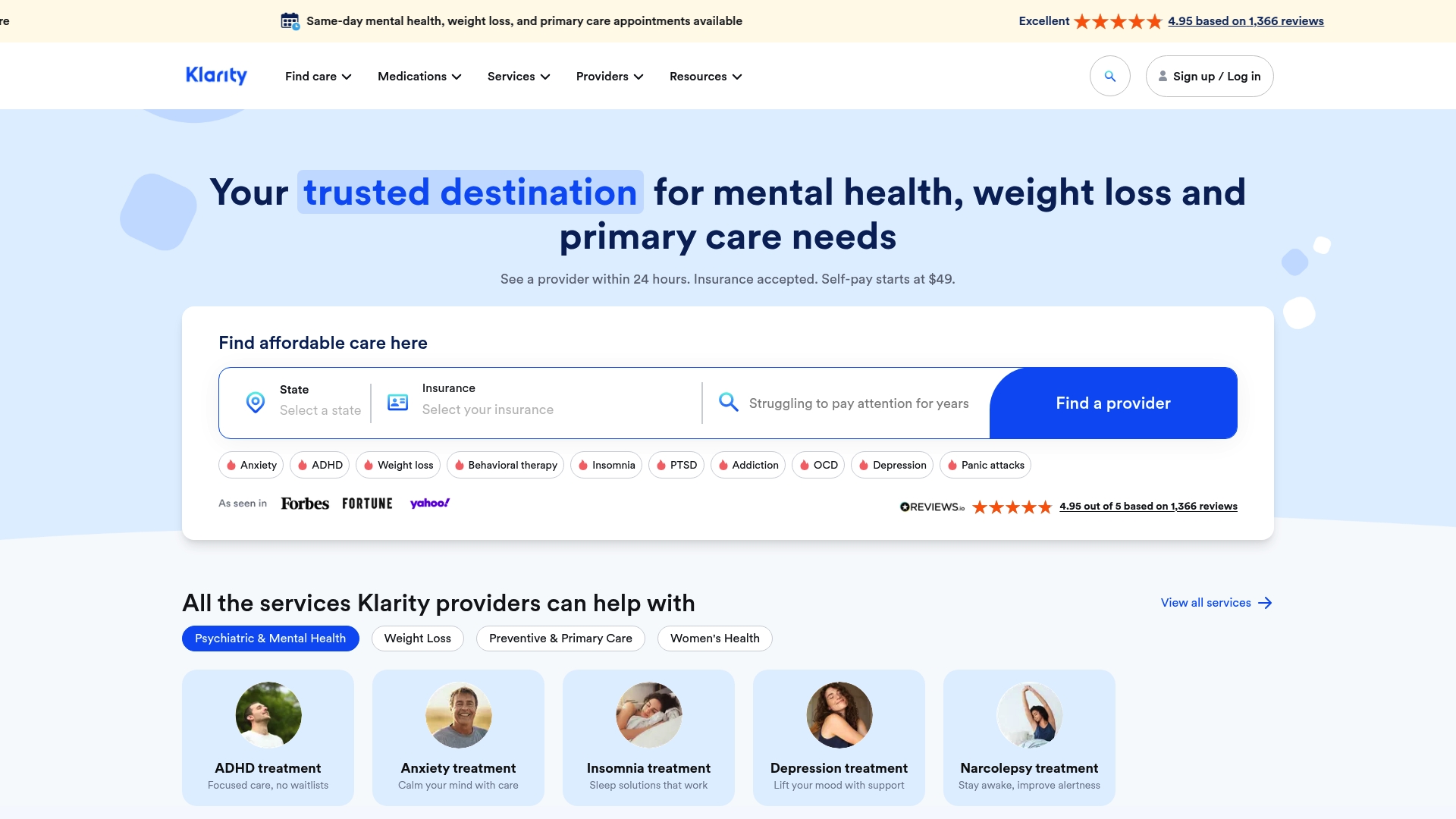
Klarity Health connects you with 2,000+ licensed providers who specialize in ADHD, mental health, and primary care, typically within 24 hours of booking. See if you may qualify for online ADHD treatment. If you’re ready to get an ADHD telehealth consultation, the platform offers self-pay options starting at $49, accepts major insurance, and works with health savings accounts. Providers on the network handle everything from initial evaluation through ongoing medication management, with secure video visits and electronic prescriptions sent directly to your preferred pharmacy. You can also find a provider by state to confirm availability and medication options in your area before you book.
FAQ
Can I get ADHD medication prescribed online without an in-person visit?
Yes, in most states licensed telehealth providers can prescribe ADHD medication after a video evaluation. Some stimulant medications have additional state-level restrictions, so availability depends on where you live.
How fast can I get an ADHD prescription through telehealth?
Many telehealth platforms offer consultations within 24 to 48 hours, and prescriptions can be sent to a pharmacy the same day as your appointment. Medication delivery by mail typically takes a few days to one week.
What medications can telehealth providers prescribe for ADHD?
Telehealth providers can prescribe both stimulant medications like Adderall or Ritalin and non-stimulants like Strattera or Wellbutrin, depending on your clinical picture and your state’s regulations.
Is online ADHD diagnosis and treatment covered by insurance?
Many telehealth platforms accept major insurance plans, and some visits may be covered similarly to in-person mental health appointments. Checking with your insurer before booking confirms your exact cost.
How do I know if an online ADHD provider is legitimate?
A legitimate provider will require a video consultation, ask detailed medical history questions, and only issue prescriptions after a proper clinical evaluation. Any service that skips the video visit or issues prescriptions instantly without evaluation is a red flag.
Recommended
- How To Transfer My Strattera Prescription To California | Klarity Health, Inc
- How To Transfer My Strattera Prescription To New York | Klarity Health, Inc
- How To Transfer My Strattera Prescription To Texas | Klarity Health, Inc
- How To Transfer My Strattera Prescription To Florida | Klarity Health, Inc
Get expert care from top-rated providers
Find the right provider for your needs — select your state to find expert care near you.
Related posts






— Monday to Friday, 7:00 AM to 4:00 PM PST
Join our mailing list for exclusive healthcare updates and tips.

— Monday to Friday, 7:00 AM to 4:00 PM PST



