 HSA & FSA accepted; best-value for top quality care
 Same-day mental health, weight loss, and primary care appointments available

 Accept major insurances and cash-payHSA & FSA accepted; best-value for top quality careSame-day mental health, weight loss, and primary care appointments availableAccept major insurances and cash-pay
Common Primary Care Conditions Treated Online: 2026 Guide
Written by Klarity Editorial Team
Published: Jun 16, 2026
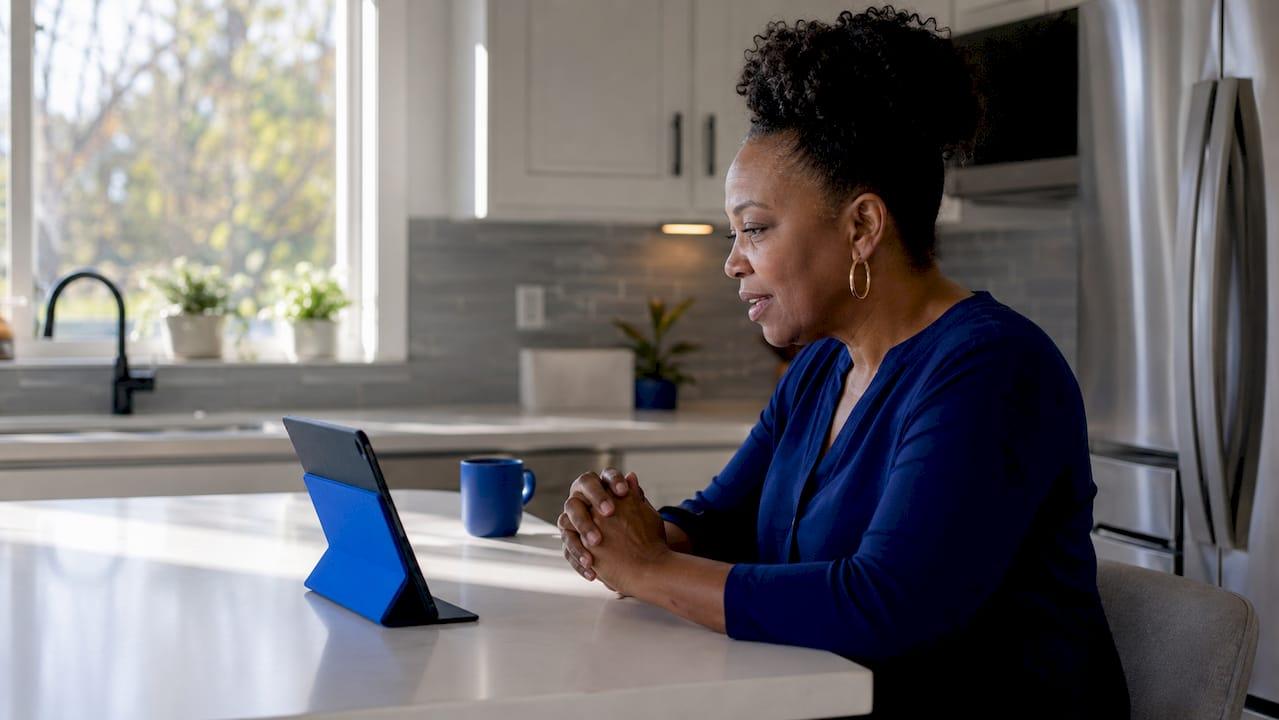
Telehealth primary care is defined as licensed medical care delivered through secure video, phone, or messaging platforms for diagnosing and treating common ailments without an in-person visit. Telehealth services manage more than 20 common primary care conditions treated online, from UTIs and pink eye to chronic disease check-ins. SSM Health projects treating over 40,000 patients online in 2026 alone. That scale reflects a shift in how Americans access routine medical care. This guide covers which conditions telehealth handles well, when you still need an office visit, and how to get the most from every virtual appointment.
1. Common infections and respiratory conditions treated via telehealth
The most frequently treated telehealth primary care conditions are acute infections and respiratory illnesses. These conditions share a key trait: a licensed provider can assess them accurately through a video call, symptom history, and in some cases a photo upload.
Urinary tract infections (UTIs) are among the most common reasons patients seek online urgent care. Providers assess symptom patterns, rule out complications, and prescribe antibiotics when appropriate. No lab visit is required for uncomplicated cases in otherwise healthy adults.

Pink eye (conjunctivitis) is a strong candidate for virtual diagnosis. Providers distinguish bacterial from viral conjunctivitis by reviewing a clear photo of the affected eye alongside symptom details. Treatment, including antibiotic eye drops when needed, can be prescribed the same day.
Colds, flu, and COVID-19 are handled through symptom management guidance, antiviral prescriptions where eligible, and return-to-work or school documentation. Telehealth providers triage these cases to confirm no signs of pneumonia or severe dehydration that would require in-person escalation.
Sinus infections and strep throat require more careful triage. Bacterial sinusitis and strep can be assessed through symptom duration, severity, and history. Some providers use at-home rapid strep tests that patients perform before the visit, then share results via a secure portal.
- UTIs (uncomplicated, in adults)
- Pink eye (bacterial and viral conjunctivitis)
- Cold and flu symptom management
- COVID-19 assessment and antiviral prescribing
- Acute sinusitis
- Strep throat (with at-home test results)
Pro Tip: Before your video visit for a respiratory condition, write down when symptoms started, their severity on a scale of 1–10, and any medications you have already tried. This takes under five minutes and significantly speeds up the provider’s assessment.
2. How telehealth manages chronic conditions and medication refills
Chronic disease management is one of the most practical uses of virtual primary care. Conditions like type 2 diabetes, hypertension, and asthma require regular monitoring, medication adjustments, and lifestyle coaching. All three can happen effectively through a secure video visit when patients share their health data in advance.
Patients managing diabetes share glucose logs through patient portals before the appointment. Providers review trends, adjust insulin or oral medication doses, and flag patterns that suggest a need for lab work. Hypertension patients share blood pressure readings tracked at home with a standard cuff. Asthma patients report peak flow meter readings and inhaler use frequency.
Medication refills are a major driver of telehealth visits. Providers can renew prescriptions for stable chronic conditions during a virtual check-in, saving patients a trip to the office. Controlled substances and certain high-risk medications still require in-person evaluation in most states, so confirm your specific medication’s rules before booking.
- Diabetes (glucose monitoring and medication management)
- Hypertension (blood pressure review and prescription renewal)
- Asthma (inhaler management and symptom tracking)
- Hypothyroidism (lab result review and dose adjustments)
- High cholesterol (lifestyle coaching and statin management)
One important boundary: primary care physicians provide whole-person care that virtual urgent care apps do not fully replicate. Telehealth works best as a complement to your existing primary care relationship, not a replacement for annual physicals or new-patient workups.
Pro Tip: Log at least two weeks of blood pressure or glucose readings before a chronic care telehealth visit. Providers make better decisions with trend data than with a single reading taken the morning of your appointment.
3. Skin, allergy, and minor injury conditions telehealth can treat
Dermatological conditions are well suited to telehealth diagnosis because visual evaluation drives most assessments. Uploading high-quality photos during a visit increases diagnostic accuracy for skin conditions, rashes, and pink eye, enabling same-day treatment without physical follow-up.
Common skin conditions managed online include contact dermatitis, eczema flares, acne, minor fungal infections, and insect bites. Providers assess the appearance, distribution, and progression of a rash through photos combined with a symptom history. Prescription-strength topical treatments, oral antihistamines, or antifungals can be sent to your pharmacy the same day.
Allergic reactions that are mild to moderate, such as seasonal allergy flares, hives without throat swelling, or food sensitivity reactions without anaphylaxis, are appropriate for virtual care. Providers can prescribe antihistamines, nasal corticosteroids, or refer you for allergy testing if needed. Severe reactions with throat tightening, difficulty breathing, or facial swelling require a 911 call, not a telehealth visit.
Minor injuries including sprains, minor cuts, and bruises can be evaluated online to determine whether imaging or in-person care is needed. Providers assess range of motion through video and advise on RICE (rest, ice, compression, elevation) protocols or refer you for an X-ray. Lacerations requiring stitches or wounds showing signs of deep infection must be seen in person.
Pro Tip: For any skin condition, photograph it in natural daylight against a plain background. Take one close-up and one wider shot showing the affected area’s location on your body. Blurry or dim photos are the single biggest obstacle to accurate virtual skin diagnosis.
4. When to choose telehealth vs. in-person primary care
Virtual care is ideal for minor, non-emergency illnesses, but physical exams remain necessary for localized pain conditions like ear infections or injuries requiring stitches. Knowing which category your condition falls into saves time and gets you the right level of care faster.
| Condition | Recommended visit type | Reason |
|---|---|---|
| UTI (uncomplicated) | Telehealth | Symptom-based diagnosis; no exam required |
| Ear infection | In-person | Requires otoscopic exam to confirm |
| Pink eye | Telehealth | Visual diagnosis via photo upload |
| Suspected fracture | In-person | Requires X-ray imaging |
| Hypertension check-in | Telehealth | Data-driven; home readings sufficient |
| Chest pain | Emergency room | Requires EKG and immediate evaluation |
| Mild rash or eczema | Telehealth | Photo-based visual assessment |
| Abdominal pain (severe) | In-person | Requires physical palpation exam |
| Medication refill (stable) | Telehealth | No new symptoms; routine renewal |
| New or unexplained symptoms | In-person | Comprehensive workup needed |
The best approach is a blended model. Use telehealth for acute, minor, and routine conditions. Reserve in-person visits for new diagnoses, physical exams, and anything involving significant pain or unclear symptoms. Telehealth services cover a wide range of conditions, but they work best when patients understand their appropriate scope.
5. Tips for making the most of your telehealth visit
Preparation is the single biggest factor in getting an accurate diagnosis and effective treatment from a virtual visit. Providers have limited time and no ability to physically examine you, so the quality of information you provide directly shapes the outcome.
- Write down your symptoms before the visit. Note when each symptom started, how it has changed, and what makes it better or worse. Include any over-the-counter medications you have taken.
- Have your medication list ready. Include dosages and how long you have been taking each one. This prevents dangerous prescribing interactions.
- Upload photos in advance. For skin conditions, eye issues, or visible injuries, submit clear photos through the patient portal before your appointment starts.
- Share your vitals if you have them. Blood pressure, temperature, heart rate, and oxygen saturation readings give providers objective data to work with.
- Use a quiet, well-lit space. Poor audio or video quality delays the visit and frustrates both you and the provider.
- Ask about follow-up. Confirm whether you need a lab test, a follow-up visit, or an in-person referral before ending the call.
At least 40% of online health content is inaccurate or unverified. That statistic underscores why consulting a licensed telehealth provider matters far more than self-diagnosing through a search engine. Platforms like Helloklarity connect you with licensed providers who can give you a real diagnosis, not a list of worst-case scenarios.
Pro Tip: Use your telehealth platform’s patient portal features between visits to log symptoms, upload test results, and message your provider. Consistent documentation creates a clinical record that improves every future visit.
Key takeaways
Telehealth effectively treats a wide range of common primary care conditions, but its value depends on matching the right condition to the right care setting.
| Point | Details |
|---|---|
| Telehealth covers 20+ conditions | Infections, chronic check-ins, skin issues, and minor injuries are all manageable online. |
| Photo quality drives accuracy | Clear, well-lit photos of skin or eye conditions significantly improve virtual diagnosis outcomes. |
| Chronic care requires data sharing | Share glucose logs or blood pressure readings before appointments for better medication decisions. |
| Some conditions require in-person care | Ear infections, fractures, and severe pain need physical exams that telehealth cannot replace. |
| Licensed providers beat self-diagnosis | Over 40% of online health content is inaccurate; always consult a licensed telehealth provider. |
Telehealth’s real role in primary care: my honest assessment
I have watched telehealth shift from a pandemic workaround to a genuine first-line option for millions of Americans. The convenience argument is real. Skipping a two-hour round trip to a clinic for a UTI or a prescription refill is not laziness. It is rational.
What I think most articles get wrong is the framing of telehealth as either a revolution or a limitation. It is neither. It is a tool with a specific, well-defined scope. The providers I have seen do their best work online are the ones who are honest about that scope. They treat what they can treat well, and they refer out without hesitation when a physical exam is needed.
The part that concerns me is the growing number of patients who use telehealth apps as their only medical contact. Telehealth platforms complement traditional primary care by focusing on acute issues and chronic monitoring. They do not replace the annual physical where a provider catches something you did not know to mention. The patients who get the most value from telehealth are the ones who also maintain a relationship with a primary care provider for comprehensive care.
My advice: use telehealth aggressively for what it does well. Do not use it as a reason to avoid building a real relationship with a primary care provider. The two work better together than either does alone.
— Guorui
How Helloklarity makes telehealth primary care accessible
Helloklarity connects you with licensed providers across a network of over 1,000 clinicians, with same-day appointments available and most patients seen within 24 hours. Whether you are managing a UTI, a chronic condition check-in, or a skin concern, Helloklarity’s platform makes booking fast and secure.
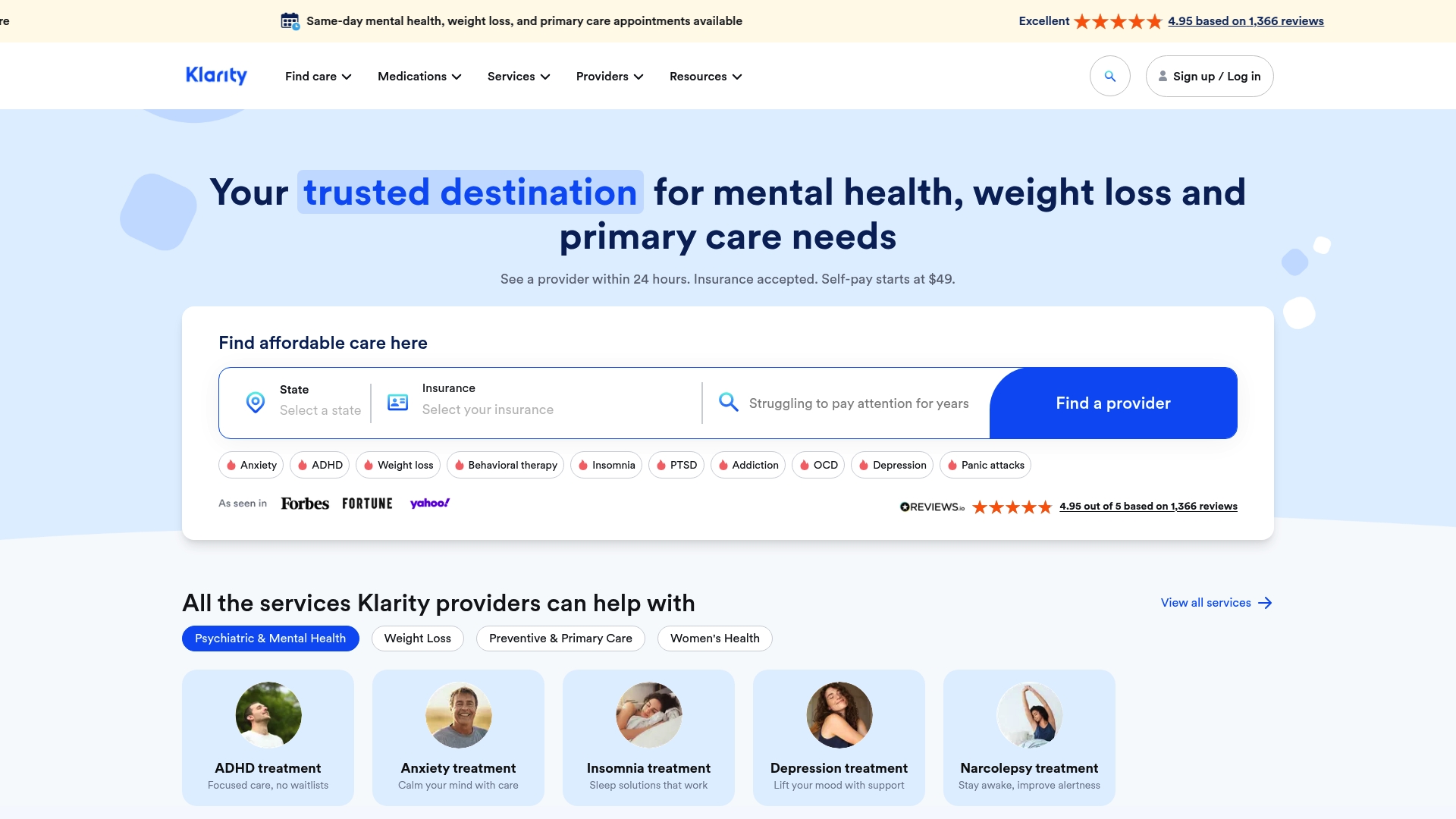
Self-pay options start at $49, and Helloklarity accepts major insurance plans and health savings accounts. You can browse all conditions that Helloklarity’s providers treat, or find a licensed provider in your state today. For a full overview of what virtual care covers, visit Helloklarity’s telehealth services guide and book your first appointment in minutes.
FAQ
What conditions are most commonly treated via telehealth?
The most frequently treated online conditions include UTIs, pink eye, sinus infections, strep throat, cold and flu symptoms, minor rashes, allergic reactions, and chronic disease check-ins for diabetes and hypertension.
Can telehealth prescribe medication for common ailments?
Yes. Licensed telehealth providers can prescribe antibiotics, antivirals, antihistamines, topical treatments, and maintenance medications for stable chronic conditions. Controlled substances follow stricter state-specific rules.
When should I choose in-person care over telehealth?
Choose in-person care for ear infections requiring an otoscopic exam, suspected fractures, severe abdominal pain, chest pain, or any condition where a physical exam is needed for accurate diagnosis.
Is telehealth accurate enough for skin condition diagnosis?
High-quality photo uploads during telehealth visits significantly improve diagnostic accuracy for rashes, eczema, minor infections, and conjunctivitis, often enabling same-day treatment without an in-person follow-up.
Does telehealth replace my primary care provider?
No. Online telehealth supplements but does not replace a traditional primary care provider, who delivers whole-person care including annual physicals, new-patient workups, and specialist coordination.
Recommended
- What Telehealth Services Can I Get Online? Medical Guide
- Online Primary Care Visit Best Practices In 2026
- Types Of Primary Care Telehealth Services In 2026
- How To Manage Chronic Conditions Via Telehealth
Get expert care from top-rated providers
Find the right provider for your needs — select your state to find expert care near you.
Related posts






— Monday to Friday, 7:00 AM to 4:00 PM PST
Join our mailing list for exclusive healthcare updates and tips.

— Monday to Friday, 7:00 AM to 4:00 PM PST



